
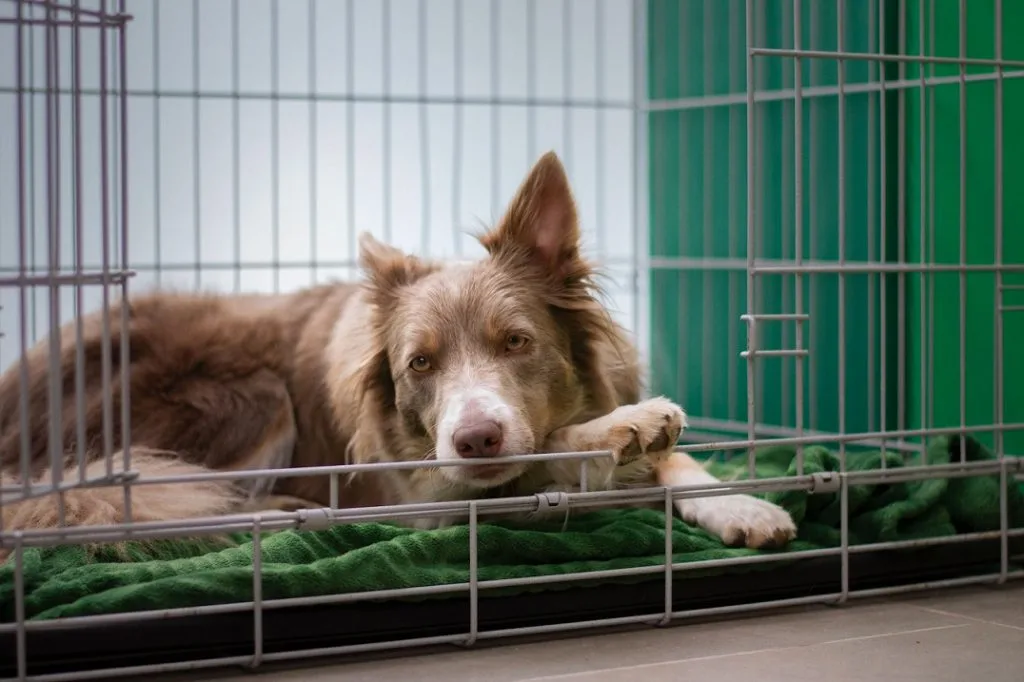
Taking your dog to the veterinarian is an important part of responsible pet ownership, but for many dogs, it can be a stressful experience. New smells, unfamiliar animals, and a different environment can make even well-behaved dogs feel anxious. Fortunately, there are several ways to help your dog remain calm and confident during veterinary visits, and one of the most effective tools is proper crate training.
A dog that is comfortable in a crate often handles travel, waiting rooms, and veterinary examinations much better than a dog that has never been introduced to one. Crates provide a familiar and secure space where dogs can relax, helping to reduce stress in situations that might otherwise feel overwhelming.
Table of Contents
Why Every Dog Needs a Crate
Many new dog owners overlook the value of a crate, viewing it as nothing more than a travel accessory. In reality, a crate serves several important purposes throughout a dog’s life.
A properly sized dog crate creates a safe environment where your dog can rest, travel, and retreat when they need quiet time. During veterinary visits, a crate can provide an additional layer of security by limiting unnecessary interactions with unfamiliar animals and people. This is particularly important for puppies that have not yet completed their vaccinations or developed confidence in public settings.
Crates also improve safety during car journeys. Instead of moving freely around the vehicle, your dog remains protected in a designated space, reducing distractions and helping prevent injuries during sudden stops.
The Benefits of Early Crate Training
Introducing a crate at a young age helps dogs develop positive associations with confinement. Rather than viewing the crate as a punishment, they learn to see it as their own personal space.
Dogs that receive early crate training often adapt more easily to grooming appointments, boarding facilities, travel, and veterinary visits. They become accustomed to spending short periods in enclosed environments and are generally less likely to experience anxiety when temporary confinement is necessary.
Consistency is key. Short training sessions, positive reinforcement, and patience help create a strong foundation. Treats, toys, and praise can encourage your dog to enter the crate willingly and build confidence over time.
How to Choose the Right Dog Crate
Selecting the correct crate is essential for your dog’s comfort and wellbeing. A crate that is too small can feel restrictive, while one that is excessively large may not provide the secure feeling many dogs naturally seek.
When choosing a crate, look for the following features:
- Enough space for your dog to stand, turn around, and lie down comfortably.
- Durable construction suitable for your dog’s size and strength.
- Good ventilation on multiple sides.
- Easy-to-clean materials.
- Secure doors and locking mechanisms.
For growing puppies, adjustable crates with divider panels can be a practical solution, allowing the crate to expand as your dog matures.
Helping Your Dog Feel Comfortable at the Vet
Preparation can make a significant difference in how your dog responds to veterinary appointments. Familiarising your dog with car rides, handling exercises, and crate travel before their appointment helps reduce anxiety on the day of the visit.
Keeping interactions positive and rewarding calm behaviour can also improve your dog’s confidence. Many veterinarians recommend occasional visits that do not involve treatment, allowing dogs to become comfortable with the clinic environment without associating every trip with medical procedures.
A relaxed dog is often easier to examine, making the experience less stressful for both the pet and the veterinary team.
Why Training Should Start Early
Training is one of the most important responsibilities of dog ownership. Beyond teaching basic commands, training helps dogs understand expectations and develop appropriate responses to everyday situations.
Puppies that receive consistent training and socialisation are often more adaptable, confident, and easier to manage as adults. They learn how to interact appropriately with people, other animals, and new environments, reducing the likelihood of behavioural problems later in life.
Training also strengthens the bond between owner and dog. Clear communication creates trust and helps establish a positive relationship built on mutual understanding.
Preventing Behaviour Problems Before They Start
Many common behavioural challenges can be reduced or avoided through early training. Excessive chewing, jumping, pulling on the lead, and poor social skills are often easier to address during puppyhood than later in life.
Teaching boundaries early gives your dog the tools they need to make better choices as they mature. Regular training sessions provide mental stimulation, encourage good manners, and help dogs become well-rounded companions.
When crate training, socialisation, and positive reinforcement are introduced together, they create a strong foundation for a happy and confident dog. The effort invested during the early months can lead to years of enjoyable companionship and a smoother experience in every stage of your dog’s life.