
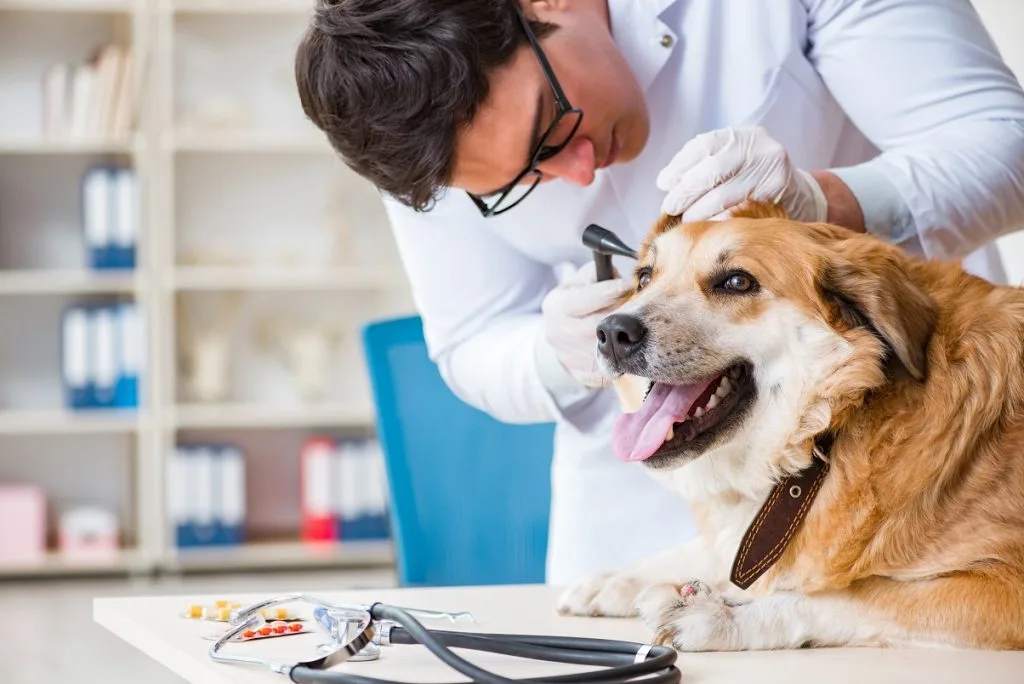
Every dog owner wants the same thing—a happy, healthy companion who stays by their side for as many years as possible. Whether it’s daily walks, games in the backyard, or quiet evenings on the couch, those moments are even more enjoyable when your dog is feeling their best.
One of the most important parts of responsible dog ownership is preventive veterinary care. Rather than waiting until your dog becomes sick or injured, routine veterinary visits help identify potential health concerns before they become serious problems. Regular checkups also ensure your dog receives the vaccinations, parasite prevention, and wellness care needed throughout every stage of life.
So, how often should dogs visit the veterinarian?
As a general rule, healthy dogs should have a wellness examination at least once a year. However, the ideal schedule depends on several factors, including age, breed, lifestyle, and existing health conditions.
Below, we’ll break down how often puppies, adult dogs, and senior dogs should see a veterinarian.
Table of Contents
How Often Should Puppies Visit the Vet?
Puppies require the most frequent veterinary care during their first year. Their immune systems are still developing, and they need a series of vaccinations and health checks to ensure they get off to the best possible start.
During these visits, your veterinarian will monitor your puppy’s growth, discuss nutrition, answer questions about training and behavior, and check for any signs of illness or developmental concerns.
One of the primary reasons for regular puppy appointments is vaccination. Core vaccines help protect against serious and highly contagious diseases, including parvovirus, distemper, hepatitis, parainfluenza, and kennel cough.
After the initial examination, most puppies will need booster vaccinations approximately every four weeks until they are around 16 weeks old. Once the core vaccine series is complete, your veterinarian will administer the rabies vaccine according to local regulations.
Depending on your puppy’s environment and lifestyle, your veterinarian may also recommend non-core vaccines for conditions such as Lyme disease, Bordetella, or canine influenza.
Keeping your puppy’s vaccination records up to date is important. Accurate records help ensure your puppy receives the proper protection without unnecessary repeat vaccinations.
In addition to vaccines, your veterinarian may recommend:
- Deworming treatments
- Fecal testing for intestinal parasites
- Flea and tick prevention
- Heartworm prevention
Pro Tip:
Choosing a puppy from a reputable and ethical breeder can help reduce the risk of inherited health issues. Responsible breeders perform health testing and carefully select breeding dogs to improve the overall health and temperament of future generations.
How Often Should Adult Dogs Visit the Vet?
Most dogs are considered adults between one and seven years of age. For healthy adult dogs, an annual veterinary examination is typically sufficient.
During a yearly wellness visit, your veterinarian will perform a comprehensive physical examination. This includes checking your dog’s weight, body condition, heart, lungs, eyes, ears, skin, teeth, joints, and overall health.
Annual visits also allow veterinarians to detect early signs of health conditions before they progress. Many diseases are easier to manage when identified in their early stages.
Your veterinarian may also recommend a fecal examination to screen for intestinal parasites such as roundworms, hookworms, and whipworms. These parasites can affect both animals and humans, making regular testing an important part of preventive care.
Booster vaccinations may also be administered as needed. While vaccination schedules vary, many adult dogs receive booster vaccines every one to three years, depending on the vaccine and local guidelines.
If your dog regularly visits boarding facilities, doggy daycare centers, training classes, or dog parks, your veterinarian may recommend additional protection against kennel cough and other infectious diseases.
How Often Should Senior Dogs Visit the Vet?
Dogs are generally considered seniors at around seven to eight years of age, although this can vary by breed and size. As dogs age, their healthcare needs increase, making more frequent veterinary visits beneficial.
Most senior dogs should see a veterinarian at least twice a year. These examinations help identify age-related conditions before they significantly affect your dog’s quality of life.
During senior wellness visits, veterinarians pay close attention to areas commonly affected by aging, including:
- Dental health
- Joint function and mobility
- Weight changes
- Vision and hearing
- Heart health
- Kidney and liver function
Routine blood work and urine testing are often recommended for senior dogs. These tests can detect underlying conditions that may not show obvious symptoms in the early stages.
Some breeds may require additional monitoring for breed-specific health concerns. For example, brachycephalic breeds such as Bulldogs and Pugs may need extra attention for breathing-related issues.
Regular senior checkups help keep aging dogs comfortable, active, and healthy for as long as possible.
Final Thoughts
Routine veterinary care is one of the best investments you can make in your dog’s long-term health. From puppy vaccinations to senior wellness screenings, regular checkups help detect problems early, keep vaccinations current, and ensure your dog receives the preventive care they need throughout life.
If it’s been a while since your dog’s last veterinary visit, consider scheduling an appointment today. A simple wellness exam can provide valuable peace of mind and help your canine companion enjoy many healthy years ahead.