Few dog breeds are as instantly recognizable as the Dachshund. With their long bodies, short legs, and confident personalities, these charming little dogs have won the hearts of dog lovers around the world. Often affectionately called “Doxies,” “Wiener Dogs,” or “Sausage Dogs,” Dachshunds may have a humorous appearance, but beneath that unique shape lies a courageous, intelligent, and surprisingly determined companion.
Originally bred to hunt underground prey, Dachshunds possess a fearless spirit that often makes them seem much larger than they actually are. Their loyalty, playful nature, and strong attachment to their families have helped them become one of the most popular dog breeds in countries such as Australia, the United States, the United Kingdom, and Germany.
Whether you are considering bringing a Dachshund puppy into your home or simply want to learn more about this fascinating breed, this guide covers everything you need to know. From their history and physical characteristics to their temperament, exercise requirements, health concerns, and suitability as family pets, we’ll explore every aspect of life with a Dachshund. Looking for a Dachshund puppy in Australia? Check out these Dachshund breeders.
Table of Contents
History of the Dachshund
The Dachshund’s story begins in Germany several centuries ago. In fact, the breed’s name comes directly from the German language, where “Dachs” means badger and “Hund” means dog. Their original purpose was exactly what the name suggests: hunting badgers.
Breeders developed Dachshunds to be fearless hunters capable of entering underground tunnels and dens in pursuit of badgers, rabbits, foxes, and other burrowing animals. Their elongated bodies allowed them to squeeze into tight spaces, while their powerful legs and broad paws made them excellent diggers.
Over time, hunters also discovered that Dachshunds possessed exceptional scent-tracking abilities. They were frequently used to follow wounded game and track scents over long distances. Despite their small stature, these dogs earned a reputation for bravery and persistence in the field.
By the nineteenth century, Dachshunds had become beloved family companions throughout Europe. Their popularity eventually spread across the globe, and they soon found admirers among royalty and everyday dog lovers alike. One of the breed’s most famous admirers was Queen Victoria, who played a significant role in increasing their popularity throughout Britain.
The Dachshund’s cultural importance in Germany was further highlighted when a Dachshund named Waldi became the first official mascot of the 1972 Munich Summer Olympics.
Dachshund Appearance and Physical Characteristics
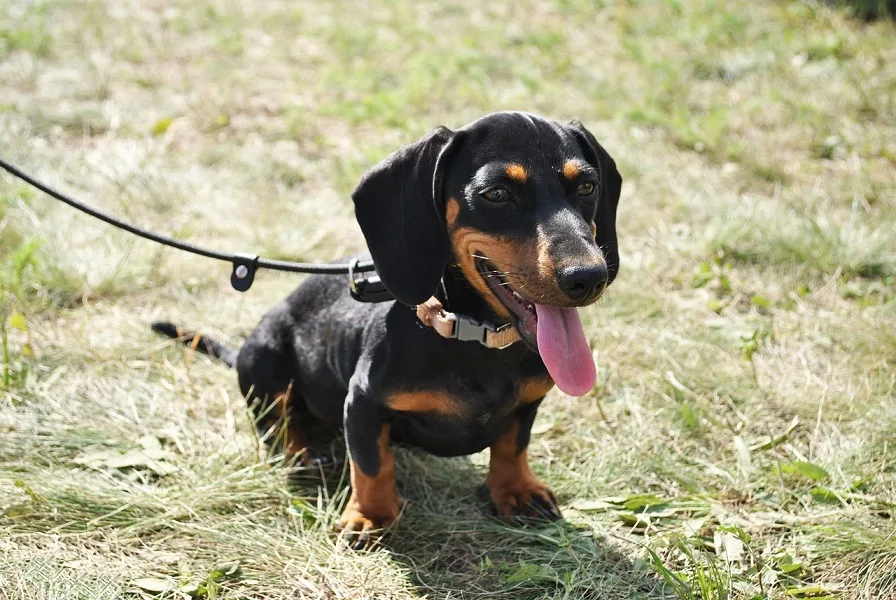
The Dachshund’s distinctive appearance sets it apart from every other dog breed. Their long, muscular bodies and short legs create a silhouette that is instantly recognizable.
Some of the breed’s most notable physical features include:
- Long, low-set bodies built for navigating underground tunnels.
- Strong, paddle-shaped paws designed for digging.
- Deep chests that provide excellent lung capacity and endurance.
- Long muzzles with highly developed scenting abilities.
- Soft, expressive eyes that reflect their curious personality.
- Long, floppy ears that help direct scents toward their nose.
- A confident posture and surprisingly athletic build.
Dachshunds are available in three coat varieties:
Smooth-Haired Dachshund
The smooth-haired Dachshund has a short, sleek coat that requires minimal grooming. This variety is often considered the most traditional and closely resembles the breed’s original hunting dogs.
Long-Haired Dachshund
Long-haired Dachshunds feature elegant, flowing coats that give them a softer and more refined appearance. Their coats require regular brushing to prevent tangles and mats.
Wire-Haired Dachshund
Wire-haired Dachshunds possess a rough, dense coat along with distinctive facial furnishings, including bushy eyebrows and a beard. This coat type was developed to provide additional protection while hunting in harsh terrain.
Dachshund Sizes
Dachshunds are generally bred in two size categories:
Standard Dachshund
Standard Dachshunds typically weigh between 16 and 32 pounds and stand around 8 to 9 inches tall at the shoulder. They were originally bred to hunt larger prey such as badgers.
Miniature Dachshund
Miniature Dachshunds usually weigh up to 11 pounds and stand approximately 5 to 6 inches tall. They were developed to hunt smaller animals such as rabbits.
Their compact size makes them adaptable to various living situations, although they still require regular exercise and mental stimulation.
Popular Dachshund Crossbreeds
The Dachshund’s unique appearance and lively personality have made it a popular choice for crossbreeding. Some well-known Dachshund mixes include:
Chiweenie
A cross between a Dachshund and a Chihuahua. These small dogs are known for their loyalty, confidence, and affectionate nature.
Dorgi
A mix of a Dachshund and a Corgi. Dorgis often inherit the intelligence and playful temperament of both parent breeds.
Doxle
A Dachshund and Beagle cross. These energetic dogs combine strong scent-tracking abilities with friendly personalities.
Dameranian
A Dachshund and Pomeranian mix that typically results in a lively, alert, and affectionate companion.
Dachshund-Weimaraner Mix
Sometimes called a Daimeraner, this cross combines the hunting instincts of both breeds and often produces an energetic and intelligent dog.
Dachshund Temperament
One of the main reasons for the Dachshund’s enduring popularity is its larger-than-life personality. Despite their small size, these dogs possess remarkable confidence and determination.
Dachshunds are loyal, affectionate, and deeply devoted to their families. They often form strong bonds with their owners and enjoy being involved in daily activities. Many Dachshunds prefer spending time with their people rather than being left alone for extended periods.
They are naturally curious and intelligent, always eager to investigate new sights, sounds, and scents. Their hunting background means they can sometimes be independent thinkers, which may be mistaken for stubbornness during training.
With proper socialization, Dachshunds typically get along well with other pets and older children. However, their strong prey drive may cause them to chase smaller animals if not properly trained.
One thing owners quickly learn is that Dachshunds are not shy about expressing their opinions. They are alert watchdogs and are known for their surprisingly loud bark, which often seems far too powerful for their size.
Although they may look cute and cuddly, Dachshunds are courageous little dogs that approach life with confidence, curiosity, and enthusiasm.
Dachshund Dietary Needs
A healthy diet plays a vital role in keeping a Dachshund active, fit, and happy throughout its life. Although these dogs are small in stature, they are energetic and require balanced nutrition to support their muscles, joints, and overall well-being.
A quality diet for a Dachshund should include high-quality protein, healthy fats, essential vitamins, and appropriate carbohydrates. Many owners choose premium dry food, fresh food diets, or veterinarian-approved raw feeding programs. Lean meats such as chicken, turkey, and fish can provide excellent protein sources, while vegetables like carrots, green beans, and pumpkin can be healthy treats in moderation.
One of the most important aspects of feeding a Dachshund is portion control. Because of their long backs and relatively short legs, excess weight can place additional strain on their spine and joints. Even a few extra pounds can increase the risk of mobility issues and other health concerns.
Treats should be given sparingly, and foods high in salt, sugar, or fat should be avoided. Human foods such as processed meats, excessive cheese, chocolate, grapes, onions, and certain artificial sweeteners can be harmful to dogs and should never be included in their diet.
Providing fresh water at all times and maintaining a consistent feeding schedule can help support your Dachshund’s long-term health.
Common Dachshund Health Concerns
Like all purebred dogs, Dachshunds are predisposed to certain hereditary health conditions. Understanding these potential issues can help owners take preventative measures and seek veterinary care when necessary.
The most well-known health concern affecting the breed is Intervertebral Disc Disease (IVDD). Due to their elongated bodies and short legs, Dachshunds are particularly vulnerable to spinal injuries and disc problems. Activities such as repeatedly jumping on and off furniture, climbing stairs excessively, or becoming overweight can increase the risk of developing back issues.
Other health conditions that may occur in the breed include:
- Progressive Retinal Atrophy (PRA): an inherited eye disorder that can lead to vision loss.
- Epilepsy and seizure disorders.
- Patellar luxation (kneecap dislocation).
- Dental disease, which is common in many small breeds.
- Obesity-related complications.
- Diabetes and hormonal disorders in some individuals.
Routine veterinary check-ups, proper nutrition, regular exercise, and responsible breeding practices can significantly reduce the likelihood of many health problems.
Despite these concerns, Dachshunds are generally a long-lived breed. With proper care, many enjoy a lifespan of 12 to 16 years, and some live even longer.
Dachshunds in Dog Sports and Activities
Although many people view Dachshunds primarily as companion dogs, they remain surprisingly athletic and versatile. Their hunting heritage gives them excellent scenting abilities, determination, and problem-solving skills.
Today, Dachshunds participate in a variety of canine sports and activities around the world. Earthdog trials, scent work competitions, obedience training, rally events, and tracking competitions allow these dogs to showcase the natural instincts they were originally bred for.
One of the most famous activities associated with the breed is Dachshund racing. These light-hearted events are held in various countries and attract enthusiastic participants and spectators alike. While racing is often viewed as entertainment, many owners prefer activities that focus on scent work and mental stimulation, which better align with the breed’s natural abilities.
Regular exercise and engaging activities are important for preventing boredom and helping Dachshunds maintain a healthy weight and balanced temperament.
Is a Dachshund the Right Dog for You?
Dachshunds have remained one of the world’s most beloved dog breeds for good reason. They combine intelligence, loyalty, courage, and affection into a compact package that is full of personality.
These dogs thrive in homes where they can spend plenty of time with their families. They are devoted companions who enjoy participating in daily activities and forming strong bonds with their owners. Their playful nature, alertness, and entertaining antics often make them the centre of attention wherever they go.
However, prospective owners should understand that Dachshunds require consistent training, proper weight management, and special care to protect their backs. Their independent streak can sometimes present training challenges, but patience and positive reinforcement usually produce excellent results.
For individuals and families willing to invest time, attention, and care, the Dachshund can be a wonderful lifelong companion. Whether living in an apartment, suburban home, or rural setting, these spirited little dogs have a remarkable ability to bring joy, laughter, and companionship to the people who love them.
With proper care and responsible ownership, a Dachshund can become not just a pet, but a cherished member of the family for many years to come.