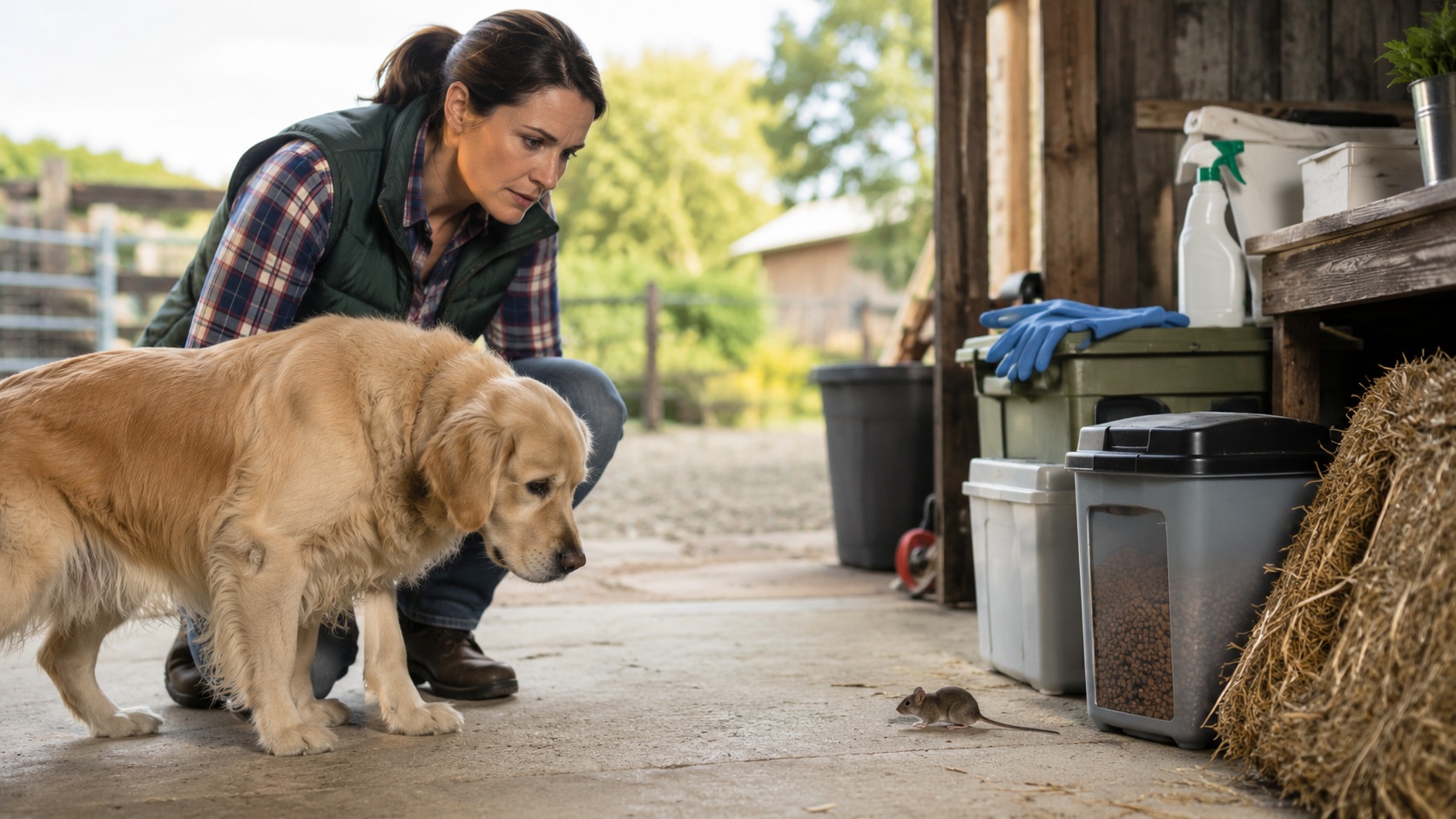
Most dog owners don’t think twice when their dog chases a mouse in the backyard or sniffs around an old shed during a camping trip. It seems harmless — and most of the time, it is. But in certain situations, rodents can carry dangerous diseases that may put both humans and pets at risk. One of the most talked-about rodent-borne illnesses is Hantavirus.
Over the past few years, awareness around hantavirus has increased, especially among rural homeowners, campers, farmers, and pet owners. While the disease is relatively rare, it can be serious, which naturally raises questions for dog owners:
Can dogs get hantavirus?
Can dogs spread it?
What symptoms should you watch for?
And how can you protect your home and pets?
The good news is that the risk to dogs appears to be low. Still, understanding how hantavirus works — and how rodents interact with pets — can help you make smarter decisions for your household.
Table of Contents
What Is Hantavirus?
Hantaviruses are a family of viruses mainly carried by rodents such as mice and rats. Humans typically become infected after exposure to infected rodent urine, droppings, saliva, or nesting materials. In many cases, infection happens when contaminated particles become airborne during cleaning.
In North America, the most concerning form is called Hantavirus Pulmonary Syndrome (HPS), a severe respiratory illness that can affect the lungs and become life-threatening. According to the CDC Hantavirus Information Page, early symptoms often resemble the flu before progressing into breathing difficulties.
The disease is most commonly associated with deer mice, especially in rural areas, cabins, barns, sheds, campsites, and places with rodent infestations.
Can Dogs Get Hantavirus?
This is where things become a little confusing online.
Current evidence suggests that dogs are not known to commonly develop hantavirus disease in the same way humans do. In countries like the United States, Canada, Australia, and the United Kingdom, dogs are not considered major carriers or spreaders of hantavirus. The CDC specifically notes that dogs and cats are not known to become infected with hantavirus strains commonly found in the U.S.
However, that does not mean dogs are completely unrelated to the risk.
Dogs can indirectly expose people to infected rodents. For example:
- A dog may catch or carry a mouse into the house
- Rodents may be attracted to dog food stored improperly
- Dogs may disturb rodent nests while digging outdoors
- Pets can track contaminated material into living areas
In rare cases, some studies and veterinary discussions have explored whether dogs may carry antibodies after exposure, but clinical illness in dogs appears uncommon and poorly documented compared to human infection.
In simple terms, your dog is unlikely to become seriously sick from hantavirus itself, but your dog’s environment and interaction with rodents still matter.
Why Dog Owners Should Still Take Hantavirus Seriously
Many people associate hantavirus with remote wilderness areas, but exposure can happen surprisingly close to home.
The highest-risk situations often involve:
- Cleaning garages, sheds, barns, or basements
- Opening cabins or storage buildings after long periods
- Camping in rodent-heavy areas
- Living near fields or wooded regions
- Rural properties with rodent infestations
Dog owners are often more exposed because pets naturally investigate areas where rodents live. Anyone who owns outdoor dogs, farm dogs, hunting dogs, or kennel facilities should pay close attention to rodent control.
One Reddit user recently summarized the concern well while discussing rodent exposure risks:
“Don’t vacuum mouse poop.”
That advice may sound simple, but it reflects one of the biggest risk factors: stirring contaminated droppings into the air.
Possible Symptoms to Watch for in Dogs
Because hantavirus illness is not commonly diagnosed in dogs, there is no classic symptom list specific to canines. Still, if your dog has had significant exposure to rodents or contaminated areas and begins showing signs of illness, it’s smart to contact your veterinarian.
General symptoms that warrant veterinary attention include:
- Lethargy
- Fever
- Loss of appetite
- Difficulty breathing
- Coughing
- Weakness
- Unusual fatigue
These symptoms can be linked to many conditions, not just hantavirus. But it is always worth mentioning possible rodent exposure to your vet, especially if your dog spends time outdoors, hunts rodents, or lives on a rural property.
Can Dogs Spread Hantavirus to Humans?
At this time, dogs are not considered direct transmitters of hantavirus to humans.
The bigger issue is indirect exposure.
For example:
- A dog may bring a dead rodent indoors
- Contaminated fur or paws may contact surfaces
- Rodent infestations near dog food storage can increase household risk
Experts continue to emphasize that rodents, not dogs, are the primary source of infection.
Still, responsible hygiene around pets is important, especially if your dog frequently explores areas with wild rodents.
Practical Ways to Protect Your Dog and Family
The best prevention strategy is simple: reduce rodent exposure.
Here are practical ways dog owners can lower the risk.
1. Secure Dog Food Properly
Open bags of kibble attract mice and rats quickly.
Store dog food in:
- Metal containers
- Sealed plastic bins
- Elevated storage areas
Clean spilled food immediately, especially in garages or outdoor feeding stations.
2. Eliminate Rodent Entry Points
Check for:
- Cracks around doors
- Holes near pipes
- Gaps in garages or sheds
- Broken vents
Rodents only need small openings to enter a building.
3. Be Careful Cleaning Rodent Droppings
One of the biggest mistakes people make is sweeping or vacuuming dry droppings, which can aerosolize viral particles. The CDC recommends using disinfectant and protective equipment instead.
A safer approach includes:
- Wearing gloves
- Spraying droppings with disinfectant first
- Using paper towels for cleanup
- Washing hands thoroughly afterward
4. Supervise Dogs Around Dead Rodents
If your dog catches a mouse or rat:
- Avoid touching it directly
- Wear gloves during disposal
- Wash your dog’s paws if necessary
- Monitor your pet afterward
Most encounters won’t cause problems, but caution is worthwhile.
5. Maintain Outdoor Areas
Tall grass, wood piles, clutter, and neglected storage areas create ideal rodent habitats.
Try to:
- Keep the grass trimmed
- Remove debris piles
- Store firewood away from the home
- Clean kennels regularly
These small habits can significantly reduce rodent activity.
What About Pet Rats and Small Pets?
Hantavirus discussions sometimes create unnecessary panic around domesticated rodents.
The reality is more nuanced.
Wild rodents are the primary concern. Well-maintained pet rats from reputable breeders generally present a much lower risk than wild rodent populations. Recent community discussions online have repeatedly emphasized this distinction.
That said, the CDC has documented rare cases involving Seoul virus — a type of hantavirus associated with rats.
Good hygiene, proper sanitation, and preventing contact between pet rodents and wild rodents remain important.
When Should You Call a Veterinarian?
You should contact your veterinarian if:
- Your dog has eaten or handled multiple rodents
- Your dog develops breathing problems
- Your dog suddenly becomes lethargic after outdoor exposure
- You notice unexplained illness following exposure to infested environments
Even if hantavirus itself is unlikely, rodents can carry many other diseases and parasites that affect dogs.
Should Dog Owners Be Worried?
Concern is understandable, especially when headlines focus on dangerous viruses. But panic usually isn’t necessary.
Hantavirus remains relatively rare, particularly compared to how common rodent exposure is overall. Experts and experienced rodent owners alike often point out that most infections occur in very specific situations involving heavy rodent contamination and poor ventilation.
For most dog owners, sensible prevention measures dramatically reduce the risk.
The goal is awareness — not fear.
Final Thoughts
Dogs are naturally curious animals. They dig, sniff, chase, and explore places where rodents live. While dogs themselves are not considered major carriers of hantavirus, they can unintentionally increase exposure risks inside and around the home.
Fortunately, prevention is straightforward:
- control rodents,
- clean safely,
- store food properly,
- and maintain good hygiene around pets and outdoor areas.
If there’s one important takeaway, it’s this: hantavirus is primarily a rodent issue, not a dog issue. Understanding that distinction helps pet owners stay informed without becoming overly alarmed.
A clean environment, responsible pet care, and awareness of rodent activity go a long way toward keeping both your family and your dogs safe.