The Teddy Roosevelt Terrier is one of those breeds that quietly surprises people once they learn more about it. Small, muscular, spirited, and deeply connected to American history, this terrier is rapidly gaining attention among dog enthusiasts. Whether you’re considering bringing one into your home or are simply curious about what makes this breed special, this guide covers everything you need to know, including history, temperament, care, training, health, and lifestyle fit, in a straightforward way that feels grounded and practical.
Table of Contents
A Breed Rooted in American History
The Teddy Roosevelt Terrier’s story begins with early terriers brought to the United States by English miners and working-class immigrants in the 19th century. These dogs were originally bred for practicality: excellent ratters and versatile farm companions. Over time, breeders noticed two distinct types emerging: longer-legged and shorter-legged terriers. Enthusiasts of the short-legged variety began working toward a separate identity for these dogs.
By the mid-1990s, dedicated breed supporters formalized standards for the short-legged type, and in 1999, the United Kennel Club (UKC) recognized the Teddy Roosevelt Terrier as a distinct breed. The name honors President Theodore Roosevelt, a passionate outdoorsman and dog lover whose association with terrier-type dogs helped popularize the name, even if he never directly developed the breed himself. Today, the Teddy Roosevelt Terrier holds a place of pride in American canine culture and was even added to the American Kennel Club’s Terrier Group in early 2026, marking another milestone in official recognition.
What This Terrier Looks Like
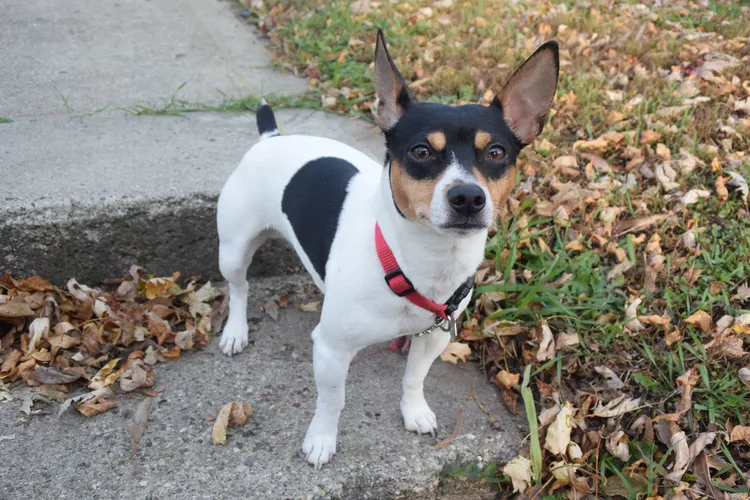
At first glance, the Teddy Roosevelt Terrier is unmistakable. Compact yet muscular, this dog is built for action:
- Size: Typically between 8 and 15 inches tall at the shoulder, with weights ranging from 8 to 25 pounds.
- Body: A rectangular, well-balanced build with a strong stance.
- Coat: Short, smooth, and dense, often in combinations of white with black, tan, or other markings.
- Ears and Tail: Ears can be erect or semi-erect, and the tail may be docked or naturally carried high.
This sturdy physique reflects not only the breed’s working past but also its versatility as a companion animal in both rural and urban settings.
Temperament: Loyal, Alert, and Full of Drive
One of the first things owners remark on is the Teddy Roosevelt Terrier’s personality blend. These dogs are:
- Affectionate with Family: They bond closely with their people and often want to be part of family activities.
- Energetic and Curious: Their terrier heritage shows in a lively attitude and keen interest in the world around them.
- Alert and Protective: They make good watchdogs because they notice changes in their environment and will bark to alert their families.
- Intelligent and Trainable: With consistent, positive training, they excel in obedience and canine sports.
Despite their hunting background and natural prey drive, well-socialized Teddy Roosevelt Terriers can live harmoniously with other dogs and, with proper introductions, some may be fine with cats and smaller pets. Early socialisation and ongoing interaction help ensure they develop balanced behavior.
Care and Daily Life
Exercise Needs
These terriers are active dogs who thrive on daily physical and mental stimulation. Without sufficient exercise, they can become bored or develop unwanted behaviors like digging or excessive barking. A good routine may include:
- Daily walks or runs
- Play sessions in a secure yard
- Interactive toys that challenge the mind
- Agility, scent, or obedience activities
For families who enjoy an active lifestyle, the Teddy Roosevelt Terrier becomes an enthusiastic companion, always eager to participate.
Grooming and Coat Care
The coat of a Teddy Roosevelt Terrier is relatively low-maintenance:
- Weekly brushing helps minimize shedding.
- Occasional baths keep the coat fresh.
- Dental care, nail trims, and ear checks are part of regular grooming.
Unlike long-haired breeds, these terriers don’t require frequent professional grooming, but regular attention keeps them comfortable and healthy.
Training Tips
Training a Teddy Roosevelt Terrier can be a rewarding experience because they genuinely enjoy learning and pleasing their owners. Key points for training success include:
- Positive reinforcement: Treats, praise, and encouragement work best.
- Consistency: Clear expectations help avoid confusion.
- Early socialisation: Introduce puppies to people, dogs, and various environments to build confidence.
These dogs have a natural eagerness to engage, and well-structured training not only helps with manners but also strengthens the bond between dog and owner.
Health and Lifespan
Generally, Teddy Roosevelt Terriers are sturdy and healthy, with a typical lifespan ranging from 14 to 16 years.
Like all breeds, they have a few health concerns to be aware of:
- Patellar luxation: A common joint condition in small breeds.
- Primary lens luxation and eye issues: Regular eye checks are recommended.
- Cardiac conditions: Monitoring heart health is wise.
Reputable breeders will conduct health screenings on breeding dogs to reduce the risk of inherited problems. Regular veterinary check-ups, a balanced diet, and appropriate exercise all contribute to long-term health.
Which Families Are They Best For?
The Teddy Roosevelt Terrier shines in homes where people are:
- Active and ready to engage in daily exercise
- Committed to training and socialisation
- Looking for a loyal companion with personality
- Prepared to meet mental stimulation needs
They do well in apartments as long as they get outdoor activity and playtime, and they excel in houses with yards. Families with older children often find them delightful, though interactions with very young children should always be supervised, as with any breed.
Common Misconceptions About the Teddy Roosevelt Terriers
There are a couple of misunderstandings new owners might run into:
Myth: They bark excessively.
Truth: They will alert you to unusual activity, but with proper training and attention to exercise, most Terriers learn when to be quiet.
Myth: They need constant grooming.
Truth: Their short coat is easy to manage with regular brushing and basic care.
Myth: They are not good with other pets.
Truth: Early socialisation usually helps them learn appropriate interactions with dogs and cats.
Understanding the breed’s nature helps set realistic expectations and enhances your experience as an owner.
Training and Activities That Fit the Breed
Teddy Roosevelt Terriers enjoy more than basic obedience. Their intelligence and agility make them excellent candidates for:
- Agility training
- Scent sports
- Rally obedience
- Trick performances
These activities not only keep them physically fit but also satisfy their mental needs, making them happier companions overall.
FAQs About the Teddy Roosevelt Terrier
What is a Teddy Roosevelt Terrier?
The Teddy Roosevelt Terrier is a small, athletic American terrier originally bred for farm work and vermin control. It is known for its compact build, intelligence, and loyal nature. The breed was officially recognized by the American Kennel Club in 2026 and is valued as both a working dog and a family companion.
How big do Teddy Roosevelt Terriers get?
Adult Teddy Roosevelt Terriers typically stand between 8 and 15 inches tall and weigh anywhere from 8 to 25 pounds. Their size makes them suitable for both apartments and homes with yards, provided they receive enough daily exercise.
Are Teddy Roosevelt Terriers good family dogs?
Yes, Teddy Roosevelt Terriers can make excellent family dogs. They are affectionate, alert, and enjoy being involved in daily activities. They usually do well with respectful children and form strong bonds with their owners, especially when raised with consistent training and socialisation.
Do Teddy Roosevelt Terriers bark a lot?
Teddy Roosevelt Terriers are naturally alert and may bark to signal unfamiliar sounds or visitors. However, excessive barking is not typical when they receive proper training, exercise, and mental stimulation. Early guidance helps them learn appropriate barking behavior.
Are Teddy Roosevelt Terriers easy to train?
This breed is generally easy to train due to its intelligence and eagerness to please. Positive reinforcement methods work best, as they respond well to praise, treats, and consistency. They often excel in obedience, agility, and other dog sports.
How much exercise does a Teddy Roosevelt Terrier need?
Teddy Roosevelt Terriers are active dogs that need daily physical and mental exercise. Regular walks, playtime, and interactive activities help keep them balanced and content. Without enough activity, they may become bored or restless.
Are Teddy Roosevelt Terriers good with other pets?
With early socialisation, many Teddy Roosevelt Terriers can live peacefully with other dogs and even cats. However, their terrier prey drive means introductions should be done carefully, especially with smaller animals.
What health issues are common in Teddy Roosevelt Terriers?
Overall, the breed is considered healthy, but some Teddy Roosevelt Terriers may be prone to conditions such as patellar luxation, eye disorders, and certain heart issues. Choosing a reputable breeder who conducts health testing greatly reduces these risks.
How long do Teddy Roosevelt Terriers live?
The average lifespan of a Teddy Roosevelt Terrier is around 14 to 16 years. With proper care, regular vet checkups, a balanced diet, and exercise, many live long and active lives.
Is a Teddy Roosevelt Terrier right for first-time dog owners?
Yes, they can be a good choice for first-time owners who are prepared to invest time in training and daily interaction. Their manageable size, intelligence, and loyal temperament make them approachable, but they still require structure and engagement.
Most Recent Update About the Breed
With official recognition from the American Kennel Club (AKC) as of 2026, the Teddy Roosevelt Terrier has stepped into the national spotlight, adding to the rich tapestry of American dog breeds eligible for formal dog sports and conformation events.
This recognition reflects a growing population and dedicated breed community committed to maintaining its unique traits while supporting responsible ownership.
Final Thoughts
The Teddy Roosevelt Terrier is more than its compact size and terrier energy. It’s a breed that combines historic American roots with a personality that’s both eager and endearing. Whether you’re drawn to its loyal nature, its versatility as an active companion, or its ability to fit into varied lifestyles, this breed has a way of surprising new owners.
Like any dog, it thrives in homes where attention, training, and affection are abundant. With a Teddy Roosevelt Terrier by your side, you’ll find a partner that’s playful, attentive, and genuinely invested in life with you. For the right family, this breed offers companionship that’s as deep as it is dynamic; a true testament to dog-human partnership.