If you’re a dog lover, breeder, or just someone who enjoys getting to know different breeds, 2026 brought an exciting update from the American Kennel Club (AKC). Late in 2025, the AKC officially welcomed three new dog breeds to its registry. These additions mark another milestone in the club’s long history of celebrating canine diversity and responsible ownership while giving these breeds wider recognition and opportunities in events across the U.S.
Whether you’re debating what breed might be right for your family, curious about what “AKC recognition” actually means, or simply passionate about the way dog communities evolve, here’s a closer look at the three newest additions: the Basset Fauve de Bretagne, the Russian Tsvetnaya Bolonka, and the Teddy Roosevelt Terrier.
Table of Contents
Understanding AKC Recognition — Why It Matters
Before we dive into the breeds themselves, it’s helpful to understand what AKC recognition means. The American Kennel Club, founded in 1884, is one of the most respected canine registries in the world, known for maintaining breed standards, promoting health and responsible dog ownership, and organising events where purebred dogs compete in conformation, obedience, agility, and more.
When a breed earns AKC recognition, it hasn’t suddenly appeared out of nowhere; many of these dogs have existed for generations. What changes is that the AKC now officially acknowledges them as a distinct breed eligible to compete in all AKC events, has a detailed standard outlining traits and temperament, and often sees greater public awareness and interest.
Recognition reflects both historical depth and modern population growth in the United States. For a breed to be accepted, there must be an organised national breed club, a sufficient number of dogs spread across the country, and a commitment from breeders to uphold standards and health testing.
The 3 Breeds that are Recognized
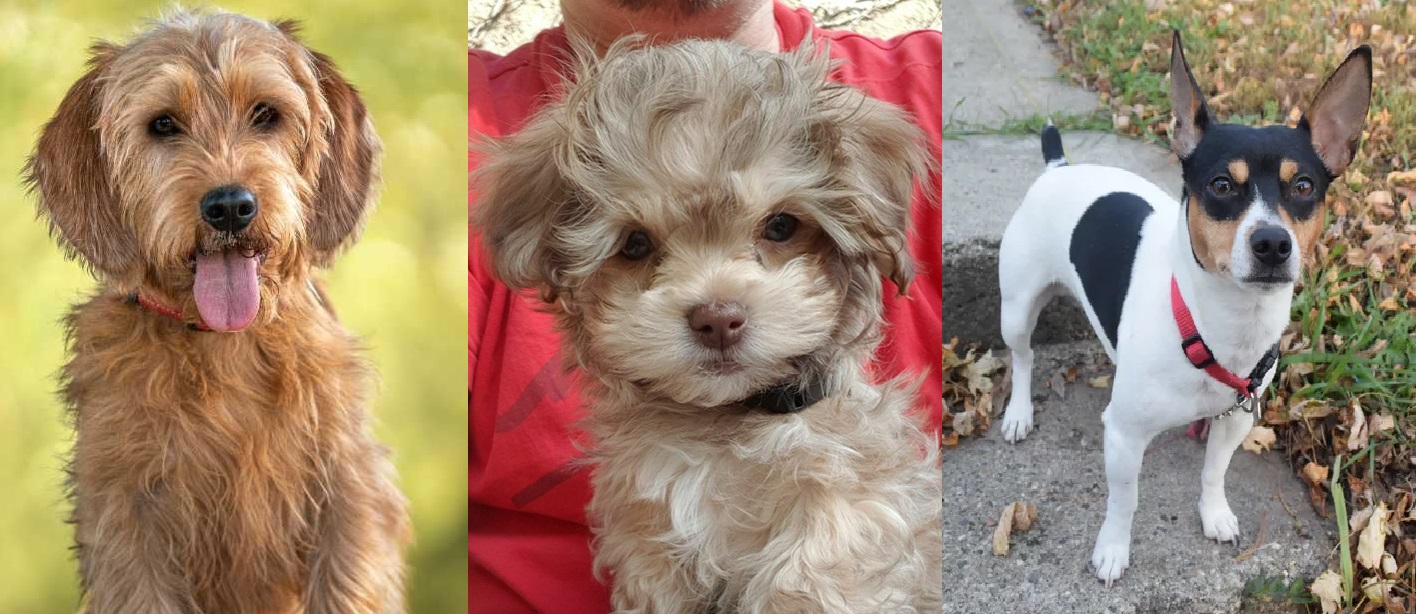
1. Basset Fauve de Bretagne — The Spirited Little Hound
What makes them special: The Basset Fauve de Bretagne is a compact scent hound with roots that go back centuries in France. The breed’s name roughly translates to “fawn-coloured Brittany Basset,” reflecting its distinctive rough coat and French heritage.
Unlike the more familiar big-eared Basset Hound of American fame, the Fauve has a leaner, more agile build. Standing between roughly 12.5 and 15.5 inches, these dogs were originally bred for hunting in rugged terrain without the aid of horses. As hunting practices evolved in Europe, smaller, foot-paced dogs like the Fauve became prized for their endurance and sharp scenting ability.
Personality and temperament: Anyone who’s met a Basset Fauve de Bretagne will tell you they’re a blend of curiosity and charm. They are, at heart, energetic hunters with a nose that always wants to be working. Yet they are also incredibly loyal and bond closely with their families. Whether trailing a scent on a long walk or curled up at your feet at the end of the day, the breed’s adaptable temperament makes it equally happy in active homes and quieter ones.
For prospective owners and breeders, it’s important to understand that these dogs thrive on mental and physical activity. Daily walks, scenting games, and even tracking exercises can help keep their minds sharp and encourage good behaviour at home.
2. Russian Tsvetnaya Bolonka — The Petite Companion
Breed background: The Russian Tsvetnaya Bolonka is a smaller breed with origins that trace back to mid-20th century Russia. The word “Bolonka” means “lapdog” in Russian, and these dogs were carefully developed to be cosy companions, particularly suited for apartment living.
Unlike many breeds recognised for specific working roles like herding or hunting, the Bolonka was bred for companionship. During a time when few small breeds were readily available in Russia, enthusiasts began selectively breeding small dogs that were friendly, calm, and attractive. Today, Bolonki come in a variety of colours and have wavy to curly coats that many owners find charming.
Life with a Bolonka: If you’ve ever lived with a small, affectionate dog, you’ll appreciate the Bolonka’s easygoing personality. They’re known for their friendly nature, good behaviour with children and other dogs, and their readiness to engage in play or cuddles. Their small size and moderate exercise needs make them especially good companions for city dwellers or for families who want a dog that’s lively but not overly demanding.
That said, Bolonki benefit from consistent grooming; their coats can be prone to matting without regular brushing. A grooming routine also becomes an opportunity to bond and keep the coat healthy, so many owners come to enjoy this daily ritual. There are currently quite a few Bolonka breeders in the US.
3. Teddy Roosevelt Terrier — The All-American Small Terrier
A name with history: The Teddy Roosevelt Terrier carries a name inspired by America’s 26th president, though it’s important to note the breed wasn’t directly developed by Roosevelt himself. Instead, the name honors his love for dogs and the outdoors.
Historically, this breed evolved as a short-legged offshoot of the Rat Terrier, with an emphasis on vermin control and companionship. Terriers in general were bred to be tenacious, alert, and ready for action, and the Teddy embodies all of these traits in a compact, muscular body.
Character and lifestyle: If you’re drawn to energetic, intelligent dogs with a hint of spunk, the Teddy Roosevelt Terrier delivers. These dogs are known for their strong work drive, bright curiosity, and zest for play. They tend to do well with families who include them in daily activities, whether that’s training sessions, walks around the neighbourhood, or high-energy games in the backyard.
Beyond physical activity, this breed also thrives on mental engagement. They’re smart, quick learners and often enjoy tasks that let them problem-solve or perform tricks. As with many terriers, early socialisation and clear, consistent training pay dividends in shaping a well-rounded companion.
How AKC Recognition Benefits These Breeds
For owners and breeders alike, AKC recognition isn’t just a badge of honour; it has real impact. First and foremost, it lets these breeds enter AKC conformation shows and compete in events where their qualities can be celebrated and appreciated at national levels.
Recognition also often sparks greater interest from responsible breeders who are committed to health testing and breed standards, which in turn leads to better support communities, resources, and owner education. For dog lovers who want not just a pet but a breed with a well-established lineage and defined traits, these developments create more informed choices.
Finally, recognition tends to expand awareness; not just among pet owners but among veterinarians, trainers, and canine enthusiasts. That means better shared knowledge on health issues, temperament, exercise needs, and grooming requirements tailored to each breed.
Final Thoughts:
The addition of three breeds to the AKC registry in 2026: the Basset Fauve de Bretagne, the Russian Tsvetnaya Bolonka, and the Teddy Roosevelt Terrier, is an encouraging reminder that the world of purebred dogs continues to evolve. These breeds represent a spectrum of canine roles: the hardworking hound, the affectionate lapdog, and the lively terrier.
Whether you’re interested in a breed for family life, training and sports, or simply appreciate the rich history behind each type, these new recognitions offer both fresh opportunities and a nod to carefully preserved breeding traditions. As always, prospective owners are best served by researching breeder practices, understanding each breed’s needs, and partnering with organisations committed to the highest standards of canine health and welfare.
Welcome to the expanding world of AKC breeds, where heritage, temperament, and companionship come together in truly remarkable dogs.
Teddy Roosevelt Terrier photo credit: Michele M Vogel / Shutterstock