
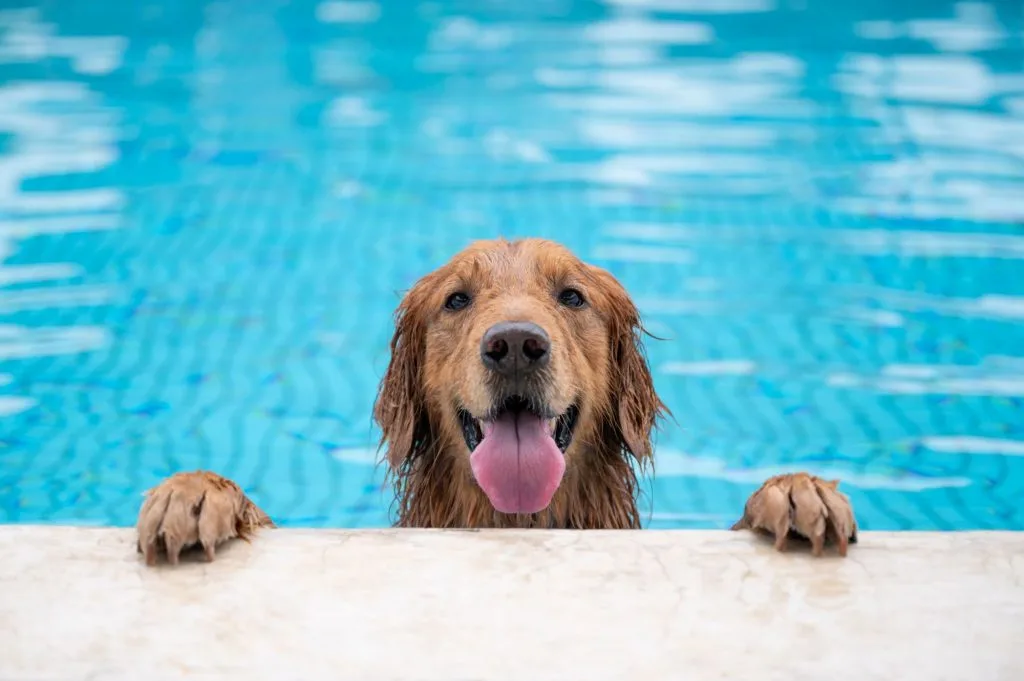
The transition from the crisp winter months to the intense summer heat can be incredibly challenging for our four-legged companions. While humans can easily adjust their wardrobe or turn on a fan, dogs lack the biological mechanisms to cool down quickly. Because their anatomy renders them ill-equipped to handle drastic temperature spikes, sudden seasonal shifts can put them at serious risk of heat stress, dehydration, and life-threatening heatstroke.
As a responsible pet owner, taking proactive steps ensures your dog stays safe, cool, and comfortable when the mercury rises. This comprehensive, step-by-step guide covers everything you need to know to prepare your home, your yard, and your hound for a safe summer season.
Table of Contents
1. Schedule a Pre-Summer Veterinary Consultation
Before the peak of summer hits, booking a wellness check with your local veterinarian is an essential first step. Your vet can assess your dog’s overall health and identify specific vulnerabilities based on their breed, age, and medical history.
- Understanding Brachycephalic Breeds: Dogs with short snouts and flat faces—such as French Bulldogs, Pugs, Boston Terriers, and Pekingese—have altered respiratory anatomy. Their shortened airways prevent them from panting efficiently, which is a dog’s primary method of shedding heat. Your vet can provide tailored strategies to manage these flat-faced breeds in high humidity.
- Proactive Parasite Prevention: Warm, humid weather triggers a massive surge in pest populations. Fleas, ticks, and mosquitoes (which transmit deadly heartworm) thrive in the summer. Use this vet visit to update your monthly preventative treatments and ensure all routine vaccinations are current.
- Safe Summer Exercise Planning: High temperatures don’t mean exercise should stop, but routines must change. Your vet can evaluate your dog’s cardiovascular fitness and recommend safe workout alternatives, such as early morning walks, indoor tracking games, or using specialized dog fitness equipment in an air-conditioned room.
2. Prioritise Advanced Hydration Strategies
Because dogs only have functional sweat glands in their paw pads, they rely almost entirely on evaporation through panting to lower their core body temperature. This process expels a massive amount of moisture, making constant hydration critical.
- Multiple Water Stations: Do not rely on a single water dish. Place multiple heavy, tip-proof bowls in the areas your dog frequents most, both indoors and outdoors.
- Maintain Cleanliness: Warm weather accelerates the growth of algae, biofilm, and dangerous bacteria like Salmonella or Leptospira in stagnant water. Scrub your dog’s bowls daily with warm, soapy water and refill them with fresh, chilled water.
- On-the-Go Hydration: Whenever you leave the house, carry a portable dog water bottle and a collapsible bowl. Never assume a park or trail will have functional water fountains.
3. Implement a Strategic Summer Grooming Routine
A dog’s coat acts as a natural barrier against environmental elements, but it requires careful maintenance to function properly during the warmer months. Trapped, dead undercoat hair traps heat against the skin, acting like a heavy winter jacket.
- Regular De-shedding: Stick to a strict brushing schedule. Removing the dead undercoat allows air to circulate freely through the fur, assisting your dog’s natural cooling process.
- The Shaving Myth: While it is tempting to shave a long-coated dog to “take the weight off,” doing so can be dangerous for double-coated breeds (like Golden Retrievers, German Shepherds, or Huskies). Their topcoat actually insulates them against the heat and shields their delicate skin from solar radiation. Shaving them increases the risk of sunburn and heatstroke. Always consult a professional groomer or your vet to determine the safest coat length for your specific breed.
4. Invest in Supportive Summer Dog Gear
The modern pet industry offers highly engineered products designed specifically to combat heat stress. Integrating a few of these tools into your daily routine can drastically improve your dog’s quality of life:
| Product Type | How It Helps Your Dog | Best Used For |
|---|---|---|
| Pressure-Activated Cooling Mats | Uses specialised gel to absorb and dissipate canine body heat upon contact. | Indoor resting spots, crates, or car travel. |
| vaporative Cooling Vests | Recharges with cold water to mimic the natural cooling effect of sweating. | Short outdoor walks or backyard playtime. |
| Protective Dog Boots | Shields sensitive paw pads from scorching asphalt, sand, and hot pavements. | Mid-day walks or beach trips (if the ground is too hot for your hand, it is too hot for their paws). |
5. Heat-Proof Your Home and Backyard Environment
Your living space should serve as a secure sanctuary away from intense solar radiation. Take the time to inspect your property before the seasonal shift occurs.
- Indoor Climate Control: Test your heating, ventilation, and air conditioning (HVAC) units in late spring. Ensure filters are clean and the system can maintain a consistent, cool temperature. If you do not have air conditioning, identify the naturally coolest room in the house (usually a tiled laundry room or basement) and set up a dedicated cooling station with fans.
- Outdoor Shelter Audits: If your dog spends time in the yard, audit their outdoor spaces. Traditional wooden or plastic dog houses can act like ovens if placed in direct sunlight. Ensure all outdoor shelters are heavily ventilated and positioned under deep structural shade, such as a porch, shade sail, or mature trees.
6. Upskill with a Canine First Aid Course
Being a dedicated pet owner means being prepared for unexpected emergencies. Dogs cannot vocalise when they are entering the early stages of heat exhaustion, making it your responsibility to read the signs.
Consider enrolling in a certified online canine first aid course. These professional programs teach you how to immediately identify the warning signs of heat stress, which include:
- Continuous, frantic panting or gasping for air
- Thick, excessive saliva or foaming at the mouth
- Bright red, dark, or dry gums
- Lethargy, disorientation, or a unstable, wobbling gait
Learning how to safely and gradually lower a dog’s body temperature using cool (never freezing) water while arranging emergency transport to a vet clinic is invaluable knowledge that could save your best friend’s life.
The Golden Rule of Summer Care: If conditions are too uncomfortable, humid, or hot for you to sit outside comfortably, they are twice as miserable and dangerous for your dog.
By taking charge of their health, modifying their environment, and investing in the right tools, you can seamlessly transition your pet into the summer months while keeping heat-related risks at bay. Have you updated your dog’s parasite prevention and scheduled their pre-summer vet check yet?