Good news for dog lovers: The Russian Tsvetnaya Bolonka has officially been recognized by the American Kennel Club (AKC). This milestone highlights the breed’s affectionate temperament and well-established history, while paving the way for greater recognition, responsible breeding, and participation in AKC events.
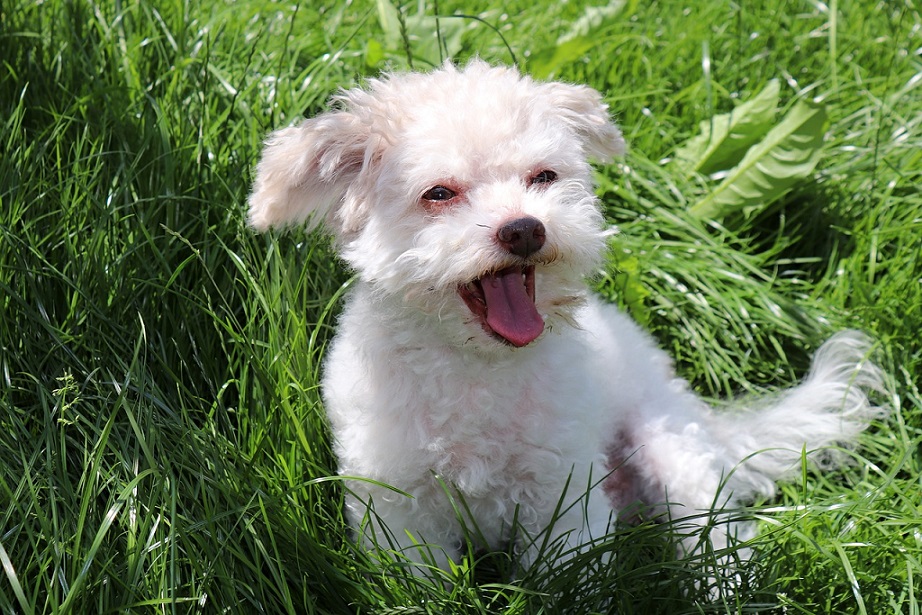
The Russian Tsvetnaya Bolonka, often simply called the Bolonka or Bolonki, is a rare companion dog that originated in Russia. With its soft, curly coat and expressive personality, it’s easy to see why the breed is often compared to a lively little furball. While small in size, the Bolonka is confident, playful, and full of enthusiasm, making it far more than just a lap dog.
The Bolonka belongs to the Bichon family, a group of companion breeds known for their affectionate nature and people-focused temperament. Other members of this family include the Bichon Frise, Bolognese, Coton de Tulear, Havanese, Löwchen, and Maltese. Although still uncommon outside its native region, the Bolonka has gradually gained recognition and can now be found in parts of the United States and beyond.
As with any breed, careful research is essential before bringing a Bolonka puppy home. Understanding the breed’s health considerations, temperament, grooming needs, and lifestyle requirements will help ensure it’s the right fit for you. This guide covers everything you need to know about the Russian Tsvetnaya Bolonka, from daily care to long-term wellbeing. If you’re curious about this distinctive and charming breed, read on to learn more.
Table of Contents
History and Origin of the Bolonka Dog
The Russian Tsvetnaya Bolonka, often shortened to Bolonka, is a rare toy breed from Russia, and its name literally means “coloured lapdog.” According to breed history, the earliest Bolonki are believed to have royal roots, with one account suggesting that a small companion dog resembling today’s Bolonka was gifted to a Russian czar by Louis XIV of France in the early 1700s.
Over time, the breed was carefully developed by crossing small French companion dogs, such as the Bolognese, with local Russian dogs. This selective breeding resulted in what is widely regarded as Russia’s first native toy breed. The Bolonka became so valued that breeding was tightly controlled, and for many years, the dogs were kept almost exclusively within Russia.
It wasn’t until the 1960s, following major political changes in Eastern Europe, that the Bolonka began appearing outside Russia, first making its way into parts of Europe. Even then, the breed remained largely unknown in other regions, reaching the United States only around the year 2000.
Today, the Bolonka enjoys growing international recognition. In Germany, it is often referred to as the Deutscher Bolonka, while in the Czech Republic, it is known as the Barevný Bolonský. As interest in the breed has spread, different countries have developed slightly varied lines, each reflecting local breeding preferences while maintaining the Bolonka’s signature companion-friendly nature.
Common features of the Russian Tsvetnaya Bolonka dog
While all dogs are cute in their own way, the Bolonka stands out for its exquisite appearance and endearing nature. So, here is an idea of what you can expect your Bolonka to look like.
- The Bolonki is a small, petite creature that grows up to about 8 to 10 inches on average.
- Generally, they tend to weigh 10 to 12 pounds, making them extremely lightweight and fragile.
- Their coats are thick, shiny, and curly and are found in a variety of different shades ranging from black, tan, grey, and beige to red.
- The male Bolonka can also have hair around the muzzle resembling a French gentleman’s mustache.
- They are beautiful dogs, with button-like black and hazel eyes.
- Their muzzles are triangular-shaped, short, and blunt in appearance.
- As for their ears, they are short but floppy.
- Their legs may be tiny, but they are sturdy and enable the Bolonka to make graceful and swift movements.
- They have a broad chest and an overall compact body.
- They have high-set tails, curled up towards their body.
Bolonka Temperament and Personality
Bolonka dogs are known for their sweet, affectionate nature and are often quick to warm up to new people. They genuinely enjoy close companionship, happily curling up in their owner’s lap and staying close throughout the day. In general, Bolonki are easygoing and content to go with the flow, making them well-suited to relaxed households.
That said, some Bolonkas can develop bossy or vocal tendencies if boundaries aren’t set early. This is where early socialization and consistent training play an important role, helping shape a well-mannered, confident companion. When raised with positive experiences, their personalities tend to balance out beautifully.
Most Bolonki have a calm, gentle demeanour and are not easily unsettled by strangers or new environments. They’re typically quiet around unfamiliar faces, which makes them poor candidates for guard duty but excellent companions for those who prefer a peaceful home.
When it comes to playtime, Bolonki have a competitive streak. Tug-of-war is often a favourite game, and despite their small size, they play with surprising determination. Intelligent and spirited, they enjoy a challenge and take winning seriously, even when the competition is someone they adore.
Grooming needs
Remember when we mentioned that Bolonka has beautiful, shiny, and curly coats? Well, it doesn’t stay that way on its own forever.
Bolonka’s coats need a lot of attention and care. They are required to be brushed once a day (yes, once a day), using a wide-toothed comb so the natural curls of the coat are not ruined.
Owners also have to wash the Bolonki’s faces and tie up their hair over their heads so they look neat and don’t experience irritation in the eyes.
Their teeth require thorough brushing several times a week to maintain oral hygiene.
Living with a Bolonka Dog
Owing to their ideal size, the Bolonka make excellent house pet suited more to apartment life than that of a fenced house, perhaps. They enjoy lying around, watching tv, and playing indoors.
They also enjoy entertaining children and will shower them with all their attention and love. While the Bolonka does get along with other animals, such as cats, they can sometimes play a little rough and aggressively. So, be sure to keep an eye on them.
How to train a Bolonka dog?
While the Bolonki is a smart dog, its independent nature can sometimes make it difficult to domesticate and train it.
However, don’t be discouraged. There is nothing constant that effort and a whole lot of love can’t conquer. Train your dog using a combination of positive reinforcement techniques and a reward-based system for good behavior.
They are very energetic dogs, so take them out on daily walks, so they can prance around and enjoy the fresh air.
Additionally, practice regular socialization with them and start socializing them from an early age, so they can feel comfortable and at ease around people and other pets.
Diet & Nutrition
If you are wondering what the Bolonka eat, the answer is, not much. Unfortunately, they run a high risk of obesity and have to be fed carefully and thoughtfully.
When you are deciding what kibble to include in their diets, remember to stay wary of ingredients such as wheat and corn, as they have little nutritional value.
We recommend high-protein dog food, twice a day, to keep your fur babies both happy and healthy. Or the best thing is to take advice from your vet.
Fun Fact about the Bolonka Dog
Recently, the future king of England, Prince William, and his wife, the Duchess of Cambridge, adopted a beautiful and curly Bolonka pup. Making the breed popular again amongst the Brits.
In Russia, Bolonka is known as the ‘Pride of the Nation‘ and is given great importance.
Do you know what else is surprising? These dogs are quite precious. Some breeders sell them for up to $2500.
Frequently Asked Questions About Bolonka
Do Bolonka dogs shed?
The Russian Tsvetnaya Bolonka dog is known for its hypoallergenic coat and does not shed, so it is an ideal breed for those with allergies.
What is the average litter size of a Bolonka?
On average, a Bolonka dog may have 1-5 puppies in a litter, but you may expect more than 5 in rare cases.
Does a Bolonka bark a lot?
Bolonka is a jolly dog and does not bark a lot. But expect a little bit of barking from Bolonka when it is excited.
Final Words
The Russian Tsvetnaya Bolonka is a charming companion breed that combines affection, intelligence, and adaptability in a small but confident package. With the right balance of socialisation, grooming, and daily engagement, the Bolonka can thrive in a wide range of homes, from apartments to family households. As with any breed, choosing a responsible breeder and understanding the Bolonka’s specific needs are key to a rewarding long-term relationship. For those seeking a loyal, people-focused dog with a rich history and an endearing personality, the Bolonka offers companionship that’s both gentle and full of character.