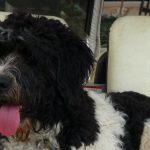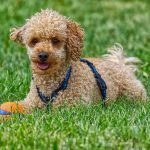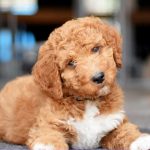
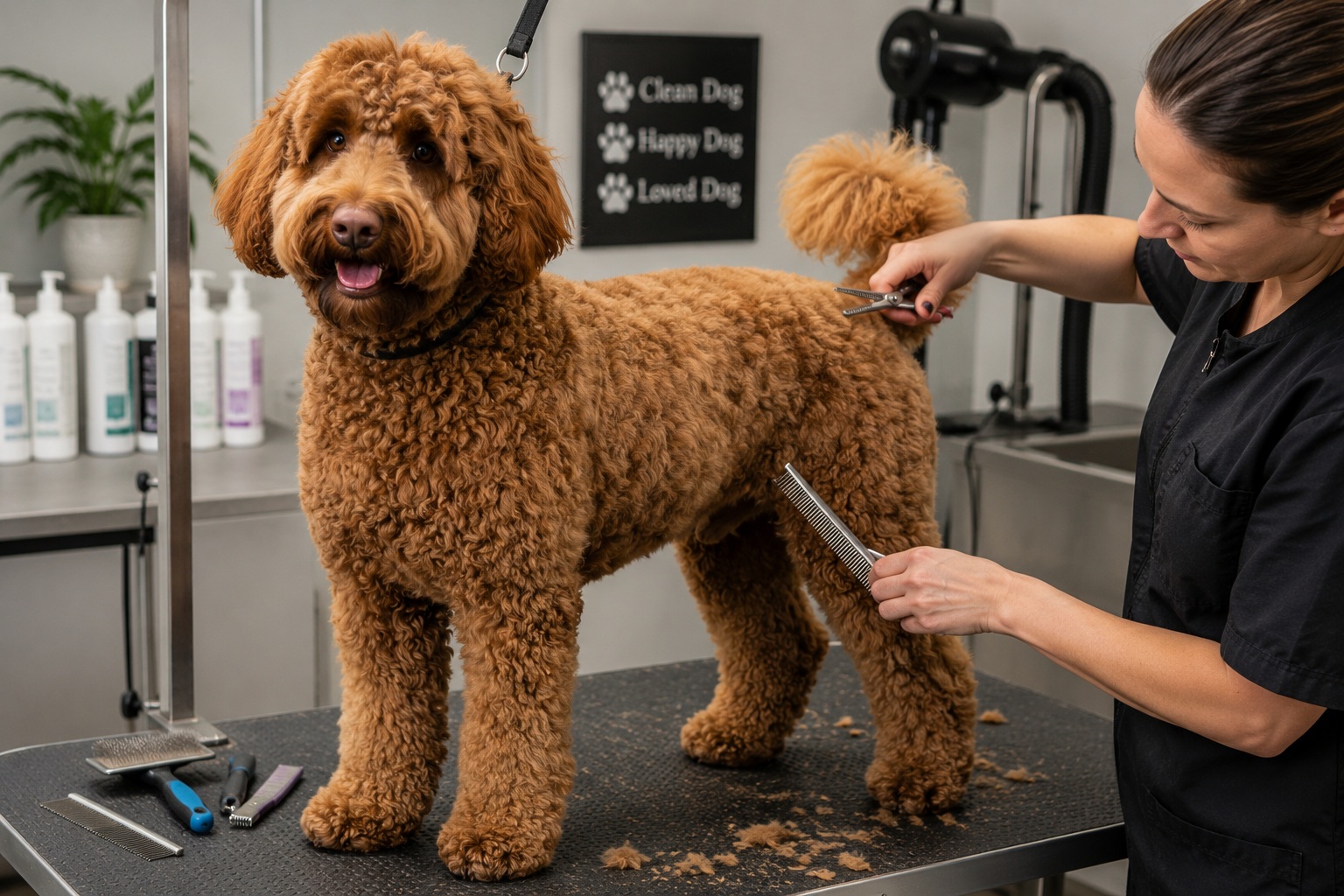
Labradoodles are famous for their teddy bear appearance, soft coats, and friendly personalities. However, that beautiful coat doesn’t stay healthy on its own. Whether your Labradoodle has a straight, wavy, or curly coat, regular grooming is an essential part of responsible ownership.
Unlike many short-coated breeds, Labradoodles require routine brushing, bathing, nail trimming, ear cleaning, and professional grooming to keep their coats free from tangles and painful mats. Neglecting grooming can lead to skin irritation, infections, overheating, and discomfort, making it much more than simply a cosmetic concern.
The amount of grooming your Labradoodle needs largely depends on the coat it inherits. Some dogs have relatively low-maintenance coats that only require weekly brushing, while others need almost daily attention to prevent matting. Learning your dog’s specific coat type is the first step towards developing an effective grooming routine.
In this comprehensive guide, you’ll learn everything from choosing the right grooming tools to establishing a weekly grooming schedule, bathing your Labradoodle correctly, preventing mats, trimming nails, cleaning ears, brushing teeth, and deciding when it’s time to visit a professional groomer.
Whether you’ve just welcomed home your first Labradoodle puppy or you’re looking to improve your current grooming routine, this guide will help keep your dog comfortable, healthy, and looking their very best.
Table of Contents
What Makes Labradoodle Grooming Different?
One of the reasons Labradoodles are so popular is that no two coats are exactly alike. Unlike purebred dogs with predictable coat characteristics, Labradoodles inherit traits from both the Labrador Retriever and the Poodle. As a result, grooming requirements can vary significantly from one dog to another.
Labrador Retrievers have a short, dense double coat that naturally sheds throughout the year and requires relatively little maintenance. Poodles, on the other hand, have continuously growing, curly coats that shed very little but demand regular brushing and professional grooming.
A Labradoodle may inherit characteristics from either parent or a combination of both. Some have straighter coats that shed moderately, while others develop dense curls that rarely shed but require frequent brushing to prevent matting. Even puppies from the same litter can have noticeably different coat types.
Because of this variation, Labradoodle owners cannot rely on a one-size-fits-all grooming routine. Understanding your dog’s coat type will help determine how often they need brushing, bathing, clipping, and professional grooming throughout the year.
Regardless of coat type, all Labradoodles benefit from regular grooming sessions. Besides keeping them looking tidy, grooming allows you to monitor your dog’s overall health by checking for skin problems, parasites, lumps, cuts, or other abnormalities that might otherwise go unnoticed.
Labradoodle Coat Types
Most Labradoodles fall into one of three main coat categories. Identifying your dog’s coat type will help you choose the right grooming tools and establish an appropriate care routine.
Straight Coat (Hair Coat)
The straight coat is the closest to the Labrador Retriever’s coat. It lies relatively flat against the body and usually sheds more than the other Labradoodle coat types.
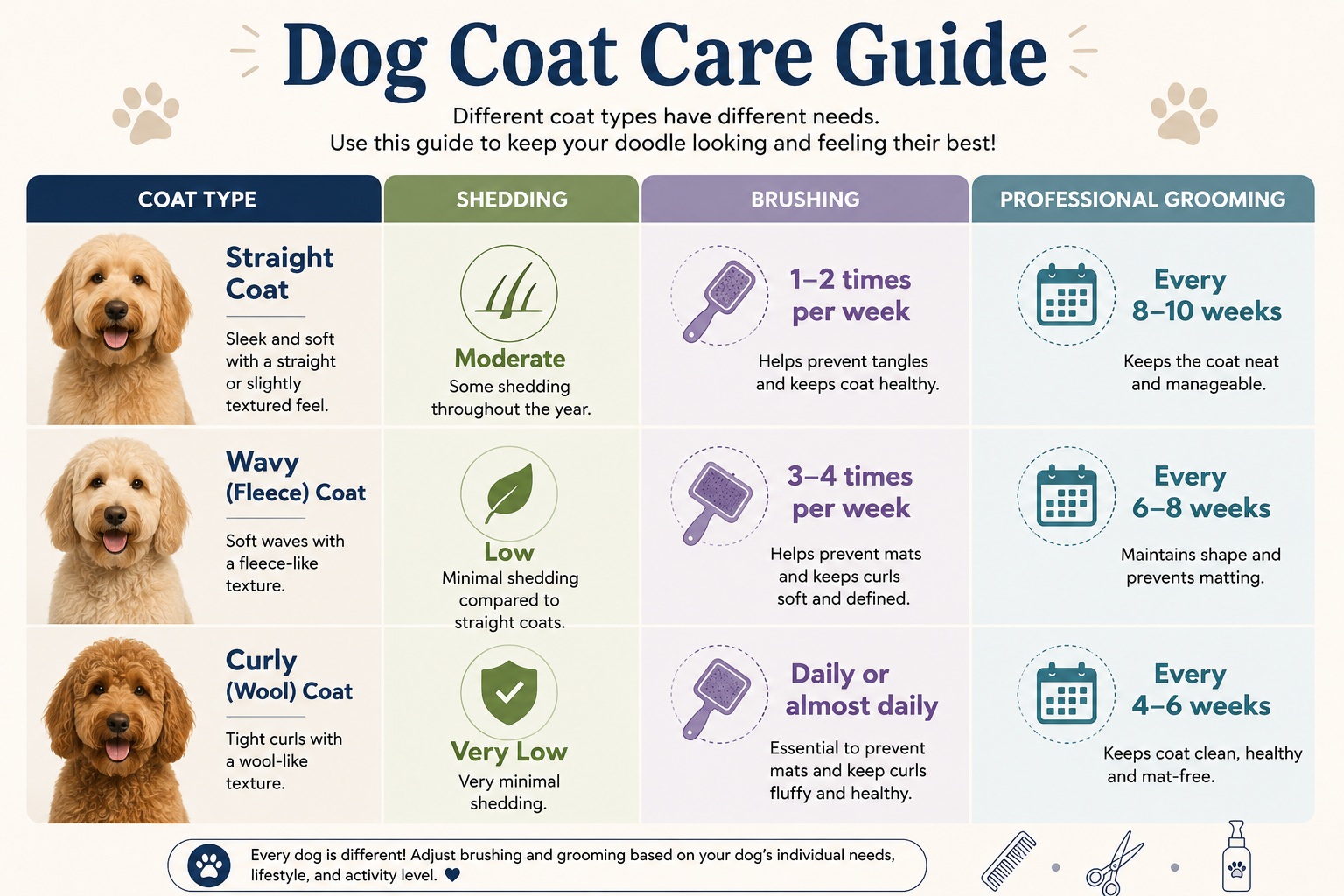
Although this coat requires less brushing than curlier coats, regular grooming is still important to remove loose hair, dirt, and debris. Straight-coated Labradoodles generally need brushing once or twice a week and benefit from occasional baths and nail trimming.
Many families appreciate this coat because it is easier to maintain, although it may not be the best option for people looking for a lower-shedding companion.
Characteristics
- Straight or slightly wavy appearance
- Moderate shedding
- Lower grooming requirements
- Easier to brush
- Less prone to matting
Wavy Coat (Fleece Coat)
The fleece coat is the most commonly seen Labradoodle coat and is often considered the ideal balance between appearance and maintenance. It has a soft, loose wave that gives Labradoodles their signature teddy bear look.
While fleece coats shed much less than straight coats, they require considerably more brushing. Without regular maintenance, loose hairs become trapped within the coat and quickly develop into knots and mats.
Most Labradoodles with fleece coats benefit from brushing three to four times each week and professional grooming every six to eight weeks.
Characteristics
- Soft, loose waves
- Low shedding
- Moderate grooming needs
- Comfortable texture
- Most popular coat type
Curly Coat (Wool Coat)
The wool coat most closely resembles that of a Poodle. It consists of tight curls that trap loose hair instead of allowing it to fall naturally, making it one of the lowest-shedding coat types.
Although many allergy sufferers prefer this coat, it is also the most demanding to maintain. Without frequent brushing, mats can develop surprisingly quickly, especially behind the ears, under the legs, around the collar, and between the hind legs.
Owners of curly-coated Labradoodles should expect to brush their dog almost every day and schedule professional grooming approximately every four to six weeks.
Characteristics
- Tight curls
- Very low shedding
- Highest grooming requirements
- Most prone to matting
- Requires frequent professional grooming
Labradoodle Coat Comparison
Related: If you’re unsure which coat type your puppy may develop, read our guide on Australian Labradoodle vs. Labradoodle to understand how genetics can influence coat texture and grooming requirements.
Why Grooming Is So Important
Regular grooming does far more than keep your Labradoodle looking tidy. It plays a significant role in maintaining their overall health and wellbeing.
A consistent grooming routine helps:
- Prevent painful mats and tangles.
- Remove dirt, loose hair, and debris.
- Distribute the coat’s natural oils.
- Keep the skin healthy.
- Reduce unpleasant odours.
- Minimise ear infections through regular cleaning.
- Prevent overgrown nails that affect movement.
- Maintain healthy teeth and gums.
- Detect lumps, cuts, parasites, or skin problems early.
Many veterinary professionals encourage owners to think of grooming as part of their dog’s routine healthcare rather than simply cosmetic maintenance.
Signs Your Labradoodle Needs Grooming
Even if you follow a regular grooming schedule, it’s helpful to recognise the signs that your Labradoodle may need extra attention.
Watch for:
- Knots or tangles developing in the coat.
- Matted fur behind the ears or under the legs.
- Hair covering the eyes.
- Long nails clicking on hard floors.
- Dirty or unpleasant-smelling ears.
- Excessive scratching or licking.
- A greasy or dirty coat.
- A noticeable doggy odour.
- Debris trapped in the coat after outdoor walks.
Addressing these issues early makes grooming much easier and helps prevent more serious skin or coat problems from developing.
Essential Grooming Supplies Every Labradoodle Owner Should Have
Having the right grooming tools makes coat maintenance easier, more comfortable for your dog, and far more effective. Investing in quality equipment from the beginning can also reduce the need for costly grooming corrections later.
| Product | Best For | Our Pick |
|---|---|---|
| Slicker Brush | Daily brushing | View on amazon |
| Steel Comb | Checking mats | View on Amazon |
| Dematting Tool | Tough tangles | View on Amazon |
| Shampoo | Bathing | View on Amazon |
| Nail Grinder | Nail trimming | View on Amazon |
| Grooming Kit | Clipping & Trimming | View on Amazon |
Here are the essentials every Labradoodle owner should keep on hand.
Slicker Brush
A slicker brush is one of the most important tools for removing loose hair, preventing tangles, and maintaining a healthy coat. It’s suitable for most Labradoodle coat types, particularly fleece and wool coats.
Stainless Steel Comb
After brushing, a steel comb helps detect hidden tangles that a brush may miss. If the comb cannot pass smoothly through the coat, additional brushing is usually needed.
Dematting Tool
For occasional stubborn knots, a dematting tool can safely break apart small mats before they become more severe. Severe matting should always be handled by a professional groomer.
Dog Shampoo
Choose a gentle, dog-specific shampoo formulated for your Labradoodle’s skin type. Avoid using human shampoo, as it can disrupt the natural pH balance of a dog’s skin.
Dog Conditioner
Conditioners help moisturise the coat, reduce tangles, and make brushing easier, particularly for curly or fleece-coated Labradoodles.
Nail Clippers or Nail Grinder
Regular nail care prevents discomfort and supports healthy movement. Many owners prefer grinders because they allow gradual trimming with a smooth finish.
Ear Cleaner
A veterinarian-approved ear cleaner helps remove wax and debris while reducing the risk of ear infections, especially in floppy-eared Labradoodles.
Dog Toothbrush and Toothpaste
Regular tooth brushing helps prevent plaque, tartar, bad breath, and periodontal disease.
Grooming Scissors
Rounded-tip grooming scissors are useful for carefully trimming hair around the eyes, paws, and sanitary areas between professional grooming appointments.
High-Velocity Dog Dryer
For owners who groom at home, a high-velocity dryer helps dry the coat thoroughly after bathing while preventing tangles from forming as the coat dries naturally.
How Often Should You Groom a Labradoodle?
One of the most common questions Labradoodle owners ask is, “How often should I groom my dog?” The answer depends largely on your Labradoodle’s coat type, lifestyle, and activity level.
A Labradoodle that spends most of its time indoors may require less frequent bathing than one that regularly swims, hikes, or plays outdoors. Similarly, a curly-coated Labradoodle will need significantly more brushing than one with a straighter coat.
Rather than waiting until your dog’s coat becomes tangled or dirty, it’s best to establish a consistent grooming routine from puppyhood. Regular maintenance sessions are quicker, easier, and much more comfortable than trying to remove severe mats later.
Below is a general grooming schedule that works well for most Labradoodles.
Recommended Labradoodle Grooming Schedule
| Grooming Task | Recommended Frequency |
|---|---|
| Brushing | 3–7 times per week (depending on coat) |
| Bathing | Every 4–6 weeks |
| Ear Cleaning | Weekly |
| Teeth Brushing | Daily (or at least 3–4 times per week) |
| Nail Trimming | Every 3–4 weeks |
| Professional Grooming | Every 6–8 weeks |
| Eye Cleaning | As needed |
| Paw Pad Check | Weekly |
Tip: It’s better to brush your Labradoodle for 10–15 minutes several times a week than spend hours trying to remove mats after they’ve formed.
Weekly Labradoodle Grooming Routine
Breaking grooming into smaller sessions makes it easier for both you and your dog.
Monday
✔ Full body brushing
✔ Check ears
Wednesday
✔ Brush legs, tail, chest, and behind the ears
✔ Wipe eyes if needed
Friday
✔ Complete body brushing
✔ Check nails
Weekend
✔ Longer grooming session
✔ Brush teeth
✔ Clean ears
✔ Paw inspection
✔ Bath if required
A simple routine like this prevents grooming from becoming overwhelming while helping your Labradoodle become comfortable with being handled.
How to Brush a Labradoodle Properly
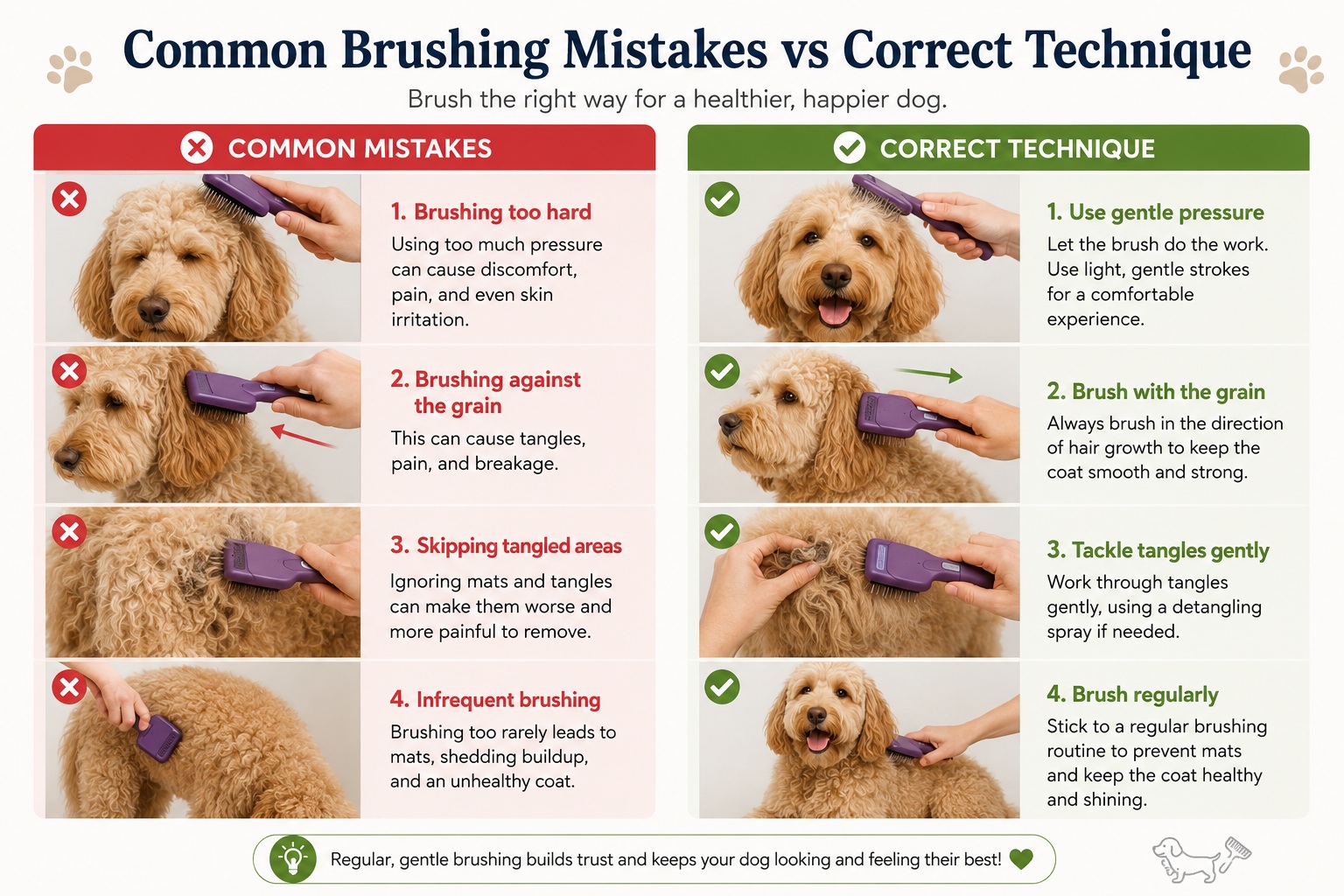
Brushing isn’t simply running a brush over the surface of the coat. Many owners unknowingly leave hidden tangles underneath, which eventually turn into painful mats.
Taking a little extra time to brush correctly will keep your Labradoodle’s coat healthy and dramatically reduce future grooming problems.
Step 1: Choose a Calm Environment
Brush your Labradoodle somewhere quiet where they can comfortably stand or lie down.
For puppies, keep sessions short—around five to ten minutes—and reward them frequently with praise or treats.
Step 2: Mist the Coat Lightly
Avoid brushing a completely dry curly coat.
A light mist of water or dog-safe grooming spray helps reduce hair breakage while making brushing smoother.
The coat should be slightly damp—not wet.
Step 3: Brush in Small Sections
Instead of brushing randomly across the body, divide the coat into manageable sections.
Work methodically from:
- Neck
- Shoulders
- Chest
- Front legs
- Back
- Belly
- Hind legs
- Tail
This ensures no areas are missed.
Step 4: Use the Line Brushing Technique
Professional groomers often recommend line brushing, one of the most effective ways to prevent matting.
Rather than brushing only the top layer, gently lift a section of hair and brush from the skin outward in small horizontal “lines.”
Continue lifting the coat layer by layer until you’ve brushed the entire section.
This method reaches hidden tangles that ordinary brushing often misses.
Step 5: Check Your Work With a Steel Comb
After brushing each section, run a stainless steel comb through the coat.
If the comb passes easily from the skin to the tips of the hair, you’ve brushed thoroughly.
If the comb catches, continue brushing until it glides through smoothly.
Many owners skip this step, but it’s one of the easiest ways to prevent future mats.
Step 6: Reward Your Labradoodle
Finish every grooming session with praise, affection, or a small treat.
Creating positive associations makes future grooming much easier, particularly for puppies.
Areas That Mat Most Easily
Some parts of a Labradoodle’s body are much more prone to tangles than others because of constant movement and friction.
Pay extra attention to:
- Behind the ears
- Under the collar or harness
- Armpits
- Chest
- Belly
- Between the back legs
- Tail base
- Around the paws
These areas should be checked during every brushing session.
Common Brushing Mistakes
Even dedicated owners sometimes make mistakes that allow mats to develop.
Avoid these common problems.
Only Brushing the Top Layer
Your Labradoodle may look well-groomed on the surface while large mats develop underneath.
Always brush down to the skin.
Skipping Grooming for Several Weeks
Missing one or two brushing sessions isn’t usually a problem.
Skipping grooming for weeks almost always results in tangles that become difficult and sometimes painful to remove.
Using the Wrong Brush
Different coat types require different tools.
A high-quality slicker brush combined with a steel comb is suitable for most Labradoodles.
Pulling Too Hard
Never yank on knots.
Work patiently using short, gentle strokes.
If a mat is too severe, seek help from a professional groomer rather than causing discomfort.
Ignoring Small Knots
Tiny tangles quickly become large mats.
Removing them while they’re still small is far easier—and much more comfortable for your dog.
How to Prevent Mats Before They Start
Matting is one of the biggest grooming challenges Labradoodle owners face, but it’s also one of the easiest to prevent with a consistent routine.
Here are a few simple habits that make a big difference:
- Brush your Labradoodle before tangles become visible.
- Remove collars and harnesses during longer brushing sessions so you can reach the fur underneath.
- Dry the coat thoroughly after swimming or bathing, as damp fur mats more easily.
- Schedule professional grooming every 6–8 weeks, even if you groom at home.
- Pay extra attention to friction areas such as behind the ears, under the legs, and around the collar.
- Check your dog’s coat after walks through long grass, bushland, or muddy areas.
Remember, preventing mats is always easier—and kinder—than removing them.
How to Bathe a Labradoodle
Bathing is an important part of your Labradoodle’s grooming routine, but it doesn’t need to happen every week. In fact, bathing too frequently can strip the coat of its natural oils, leaving the skin dry and irritated.
For most Labradoodles, a bath every 4–6 weeks is sufficient. Dogs that spend a lot of time outdoors, swim regularly, or get particularly dirty may require more frequent baths, while others can comfortably go longer between washes.
Always brush your Labradoodle thoroughly before bathing. Water tightens existing knots and tangles, making them much more difficult—and sometimes painful—to remove afterward.
Step-by-Step: Bathing Your Labradoodle
Step 1: Brush Before Bathing
Remove loose hair, tangles, and small mats before introducing water.
Never bathe a severely matted coat.
Step 2: Use Lukewarm Water
Water should feel comfortably warm—not hot.
Completely soak the coat from neck to tail while avoiding water entering the ears and eyes.
Step 3: Apply Dog Shampoo
Use a high-quality dog shampoo formulated for sensitive skin or curly-coated breeds.
Massage the shampoo gently into the coat, working all the way down to the skin.
Pay particular attention to:
- Legs
- Belly
- Tail
- Under the neck
- Paws
Step 4: Rinse Thoroughly
One of the biggest mistakes owners make is leaving shampoo residue behind.
Continue rinsing until the water runs completely clear.
Leftover shampoo may cause itching and skin irritation.
Step 5: Apply Conditioner (Optional but Recommended)
Conditioner helps:
- Reduce tangles
- Moisturise the coat
- Improve brushing
- Keep curls softer
Allow it to sit for a few minutes before rinsing thoroughly.
Drying Your Labradoodle Correctly
Drying is just as important as bathing.
Allowing a dense Labradoodle coat to air dry can encourage tangles and mats, particularly in fleece and wool coats.
Towel Dry First
Use a highly absorbent towel.
Avoid vigorous rubbing, which can create tangles.
Instead, gently squeeze moisture from the coat.
Blow Dry While Brushing
If possible, use a pet dryer rather than a human hair dryer.
Brush continuously while drying.
This helps:
- Separate the coat
- Prevent tangles
- Produce a fluffy finish
- Reveal hidden knots
Keep the dryer on a comfortable temperature and avoid directing hot air at one area for too long.
Should You Let a Labradoodle Air Dry?
Generally, no.
Air drying may seem easier, but it’s one of the most common causes of matting.
As the coat dries naturally, curls tighten around loose hairs, creating knots that become increasingly difficult to brush out.
If you don’t own a dog dryer, towel dry thoroughly and continue brushing while the coat finishes drying.
Professional Grooming
Even owners who brush regularly at home benefit from taking their Labradoodle to a professional groomer.
Professional groomers have the equipment and experience to:
- Trim the coat evenly.
- Remove stubborn mats safely.
- Clip sanitary areas.
- Trim nails.
- Clean ears.
- Tidy paw pads.
- Shape the face.
Regular professional grooming also gives another experienced set of eyes an opportunity to identify skin problems or abnormalities.
How Often Should a Labradoodle Visit a Groomer?
The ideal schedule depends on coat type.
| Coat Type | Professional Grooming |
|---|---|
| Straight Coat | Every 8–10 weeks |
| Wavy (Fleece) Coat | Every 6–8 weeks |
| Curly (Wool) Coat | Every 4–6 weeks |
Some owners prefer shorter coats during summer, while others maintain longer “teddy bear” styles throughout the year.
Popular Labradoodle Haircuts
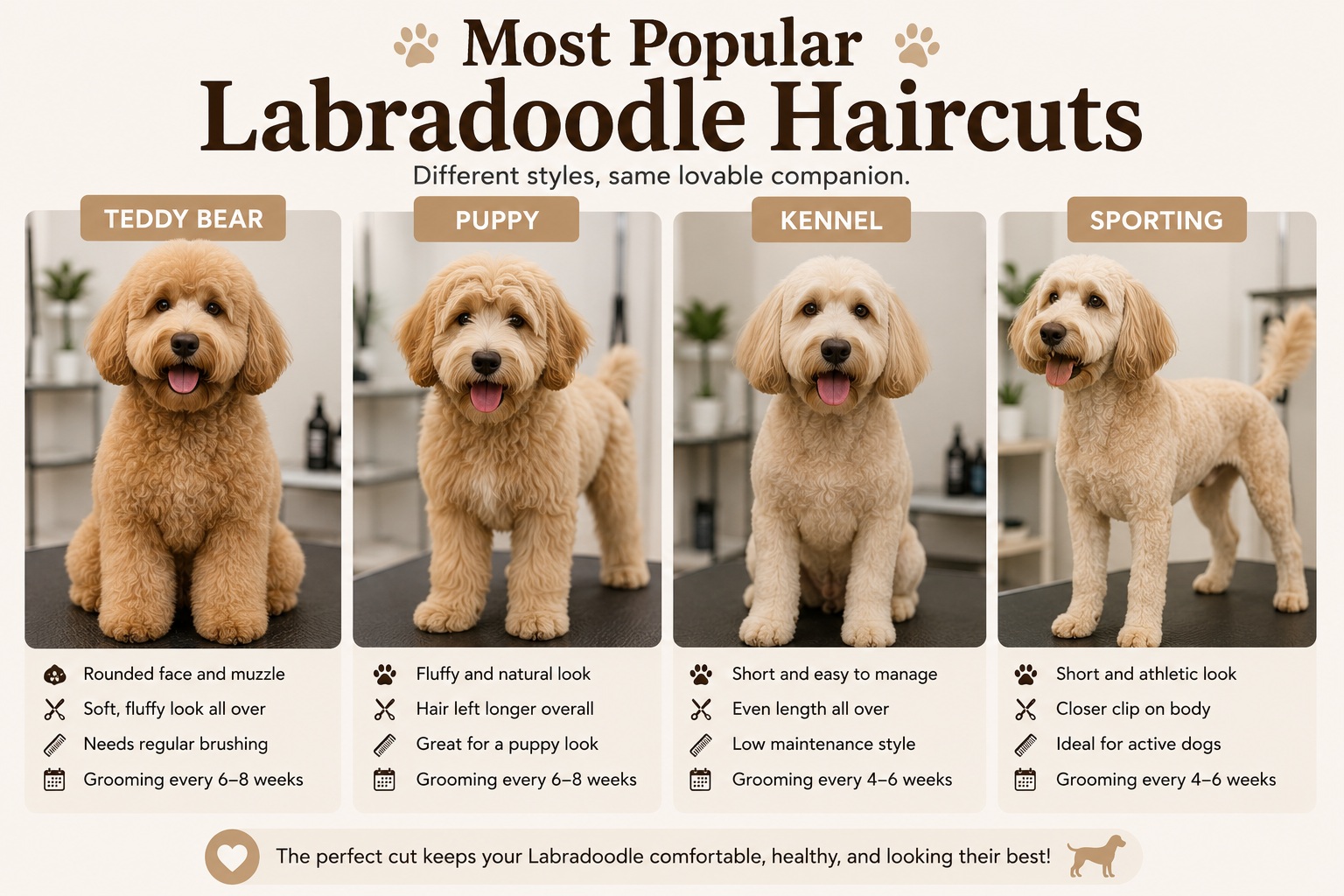
One of the joys of owning a Labradoodle is the variety of grooming styles available. While appearance is a personal preference, coat length should always be balanced with practicality and the amount of grooming you’re willing to do at home.
Teddy Bear Cut
The Teddy Bear Cut is by far the most popular Labradoodle hairstyle. It leaves the coat evenly trimmed across the body while maintaining a rounded face and fluffy appearance that many owners love.
This style is relatively easy to maintain with regular brushing and works well for most coat types.
Puppy Cut
Despite its name, the Puppy Cut isn’t only for puppies. It simply refers to a short, even coat that’s easy to maintain and comfortable for active dogs.
It’s an excellent choice for owners who prefer lower-maintenance grooming.
Kennel Cut
A Kennel Cut keeps the coat quite short over the entire body, making brushing much easier and significantly reducing the likelihood of matting.
Many owners choose this style during warmer months or if their Labradoodle spends a lot of time outdoors.
Sporting Cut
The Sporting Cut leaves slightly more length on the legs and face while keeping the body neatly trimmed.
This practical style combines easy maintenance with a stylish appearance.
Your Puppy’s First Grooming Appointment
Introducing grooming early helps build confidence and creates positive lifelong habits.
Most professional groomers recommend scheduling a puppy’s first grooming visit at around 12–16 weeks of age, once initial vaccinations are complete, and your veterinarian confirms it’s safe.
The first appointment is usually short and designed to familiarise the puppy with the grooming process rather than provide a full haircut.
A typical introductory visit may include:
- Gentle brushing
- Bath
- Blow drying
- Nail trim
- Ear cleaning
- Sanitary trim
- Face tidy
Keeping this first experience calm and positive makes future grooming appointments much less stressful.
Preparing Your Puppy for Grooming
You can help your puppy feel more comfortable long before their first professional appointment.
Practice:
- Touching paws daily.
- Looking inside the ears.
- Gently brushing for a few minutes each day.
- Running an electric toothbrush (or similar low-vibration object) nearby to introduce gentle buzzing sounds.
- Rewarding calm behaviour with praise and treats.
These simple exercises help puppies view grooming as a normal part of everyday life rather than something to fear.
Seasonal Labradoodle Grooming Tips
Your Labradoodle’s grooming routine should change slightly throughout the year. Seasonal weather affects coat condition, skin health, shedding, and the amount of dirt and debris your dog collects during outdoor activities.
Adjusting your grooming routine for each season helps keep your Labradoodle comfortable while preventing common coat and skin problems.
Spring
Spring is often one of the messiest seasons for Labradoodles. Wet grass, mud, pollen, and shedding from the winter coat can all increase grooming needs.
During spring:
- Brush more frequently to remove loose hair.
- Check paws after muddy walks.
- Bathe as needed after outdoor adventures.
- Watch for seasonal allergies that may cause excessive scratching.
- Remove burrs and plant debris promptly before they become tangled in the coat.
Summer
Contrary to popular belief, shaving a Labradoodle very short isn’t always the best way to keep them cool. Their coat helps provide insulation against both heat and sunlight.
Instead:
- Keep the coat neatly trimmed.
- Brush regularly to improve airflow.
- Remove mats, which trap heat against the skin.
- Schedule outdoor activities during cooler parts of the day.
- Dry the coat thoroughly after swimming.
Never leave a damp coat to dry naturally, especially after frequent swimming.
Autumn (Fall)
Leaves, seeds, burrs, and twigs can easily become trapped in a Labradoodle’s coat.
During autumn:
- Brush after long walks.
- Inspect ears and paws for debris.
- Continue professional grooming on schedule.
- Keep nails trimmed as activity levels may decrease.
Winter
Many owners allow their Labradoodle’s coat to grow slightly longer during winter for added warmth.
However, longer coats require additional maintenance.
Winter grooming tips include:
- Dry the coat thoroughly after rain or snow.
- Remove ice balls from the paws and legs.
- Brush more frequently to prevent matting beneath jackets and harnesses.
- Moisturise dry paw pads if recommended by your veterinarian.
Remember, a longer coat does not replace proper cold-weather protection in freezing temperatures.
Ear Care
Labradoodles have floppy ears, which create a warm, moist environment where bacteria and yeast can grow. Regular ear cleaning helps reduce the risk of painful ear infections.
Check your Labradoodle’s ears once a week.
Signs that the ears may need attention include:
- Bad odour
- Redness
- Wax buildup
- Head shaking
- Scratching at the ears
- Sensitivity when touched
To clean the ears:
- Apply a veterinarian-approved ear cleaner.
- Gently massage the base of the ear.
- Allow your dog to shake its head.
- Wipe away loosened debris using cotton wool or gauze.
Avoid inserting cotton swabs deep into the ear canal, as this can cause injury.
If you notice persistent redness, swelling, discharge, or a strong smell, schedule a veterinary examination.
Nail Care
Overgrown nails can affect your Labradoodle’s posture, walking pattern, and overall comfort.
As a general rule, if you hear your dog’s nails clicking on hard floors, they’re probably too long.
Trim nails every 3–4 weeks, or more frequently if your dog doesn’t naturally wear them down through exercise.
If you’re uncomfortable trimming nails yourself, ask your groomer or veterinarian for assistance.
Dental Care
Dental hygiene is often overlooked but is just as important as coat care.
Without regular brushing, plaque can harden into tartar, increasing the risk of gum disease, tooth loss, and bad breath.
For the best results:
- Brush your Labradoodle’s teeth daily using dog-specific toothpaste.
- Provide dental chews where appropriate.
- Schedule professional dental examinations during routine veterinary visits.
Healthy teeth contribute to your dog’s overall well-being and quality of life.
Common Labradoodle Grooming Mistakes
Even experienced owners occasionally develop habits that make grooming more difficult.
Avoid these common mistakes.
Waiting Until Mats Form
Regular brushing is far easier than removing severe mats.
Bathing Too Often
Over-bathing strips the coat’s natural oils and may dry the skin.
Skipping Professional Grooming
Even owners who groom at home benefit from occasional professional clipping and coat maintenance.
Using Human Shampoo
Human shampoos are formulated for different skin pH levels and may irritate your dog’s skin.
Always use products designed specifically for dogs.
Forgetting Hidden Areas
Don’t forget to brush:
- Behind the ears
- Under the collar
- Armpits
- Belly
- Tail
- Paw pads
These are the areas where mats most commonly develop.
Ignoring Small Problems
A small knot today can become a painful mat next week.
Likewise, a mild ear irritation or broken nail can worsen if left untreated.
Regular grooming gives you an opportunity to identify problems early before they require veterinary treatment.
Frequently Asked Questions
How often should I brush my Labradoodle?
It depends on their coat type. Straight-coated Labradoodles generally need brushing once or twice a week, fleece-coated dogs benefit from brushing three to four times weekly, while curly-coated Labradoodles usually require daily or near-daily brushing.
How often should a Labradoodle be professionally groomed?
Most Labradoodles benefit from professional grooming every 6–8 weeks, although curly coats may need appointments every 4–6 weeks.
Can I shave my Labradoodle in summer?
A very short clip is sometimes recommended for severely matted dogs, but routine shaving isn’t always necessary. A neatly maintained coat often provides better insulation than many owners realise. Speak with your groomer about the most appropriate coat length for your dog’s lifestyle and climate.
Why does my Labradoodle’s coat become matted so quickly?
Mats usually develop because loose hairs become trapped within the coat, particularly in fleece and curly coats. Infrequent brushing, swimming without proper drying, and friction from collars or harnesses can all contribute.
What is the best brush for a Labradoodle?
Most groomers recommend using a quality slicker brush together with a stainless steel comb. The slicker brush removes loose hair and tangles, while the comb helps ensure you’ve brushed all the way to the skin.
At what age should a Labradoodle have its first professional groom?
Most puppies are ready for their first grooming introduction between 12 and 16 weeks of age, provided they’ve received appropriate vaccinations, and your veterinarian is happy for them to visit a grooming salon.
Final Thoughts
Keeping a Labradoodle well-groomed isn’t just about maintaining that adorable teddy bear appearance—it’s an important part of caring for their overall health and wellbeing. Regular brushing, bathing, nail trimming, ear cleaning, and dental care help prevent discomfort, reduce the risk of skin and ear problems, and keep your dog looking and feeling their best.
The key to successful grooming is consistency. Short, regular grooming sessions are far easier than trying to deal with heavy matting or neglected coats later. Starting positive grooming habits while your Labradoodle is still a puppy will also make future grooming appointments much less stressful for both of you.
Whether you choose to groom your Labradoodle at home, visit a professional groomer, or combine both approaches, establishing a routine tailored to your dog’s coat type will help ensure they remain comfortable, healthy, and happy throughout every stage of life.
If you are still looking to adopt a Labradoodle and are looking for well-reputed breeders, check out our guide about Labradoodle breeders in the US and Australia.