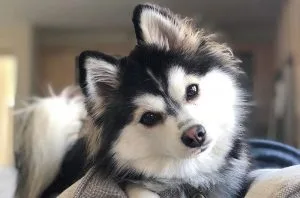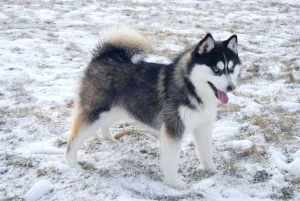
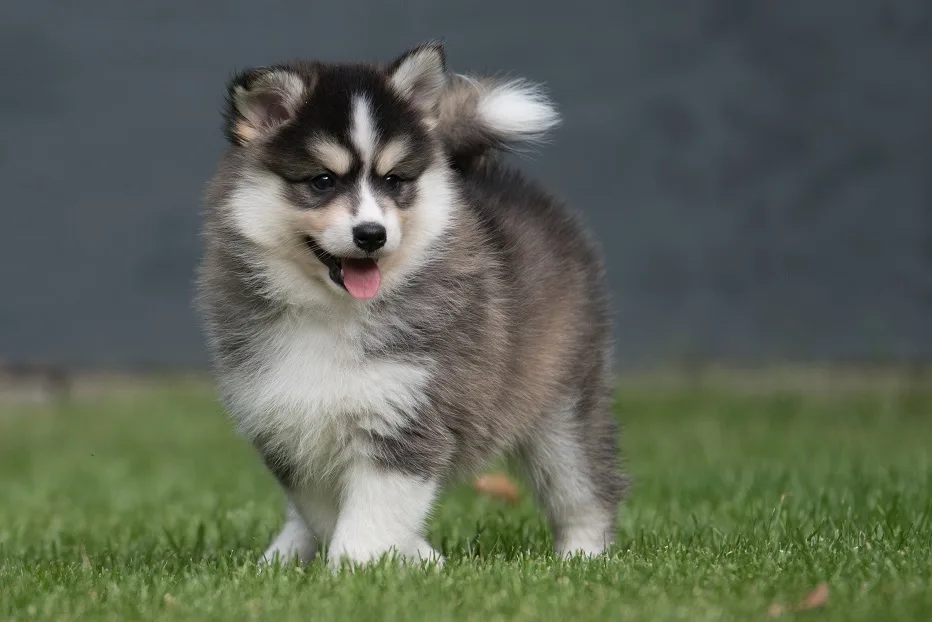
Pomskies combine two very different dogs: the Siberian Husky and the Pomeranian. The result is a small-to-medium companion that may inherit the Husky’s striking appearance and energy along with the Pomeranian’s compact size and lively personality.
But Pomskies aren’t simply miniature Huskies. Their temperament, adult size, coat, exercise needs, and behavior can vary considerably depending on genetics and upbringing.
So, is a Pomsky a good dog to own?
Table of Contents
Quick Answer
Pomskies can be excellent companions for people who want an intelligent, playful, affectionate, and active dog. However, they aren’t necessarily an easy or low-maintenance choice.
Potential owners should be prepared for shedding, regular grooming, daily exercise, training, mental stimulation, and potentially vocal or stubborn behavior.
Before bringing one home, consider both sides of Pomsky ownership.
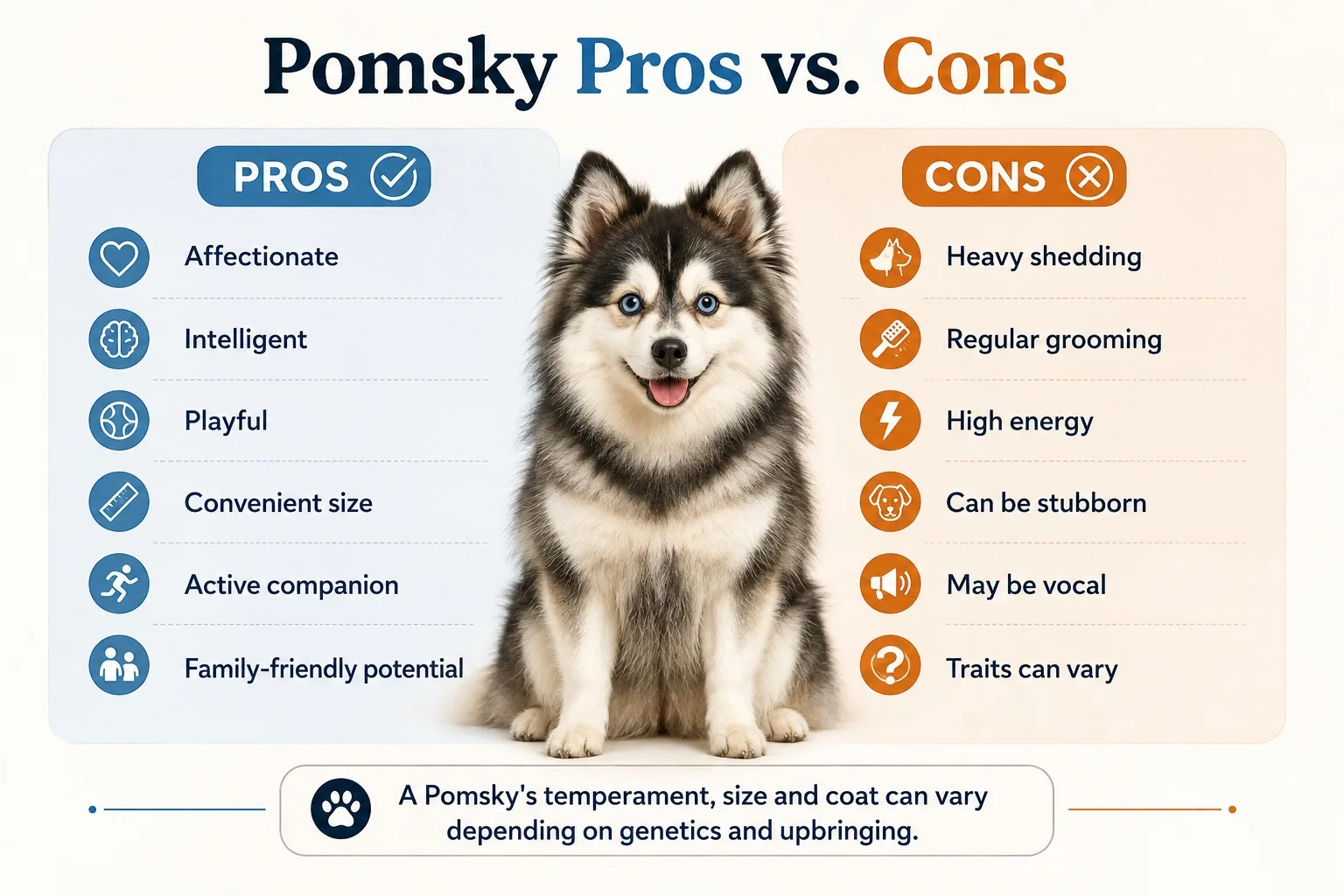
Pomsky Pros and Cons at a Glance
| Pomsky Pros | Pomsky Cons |
|---|---|
| Affectionate with family | Can shed heavily |
| Playful and entertaining | Requires regular grooming |
| Intelligent | Can be stubborn |
| Convenient small-to-medium size | Needs daily exercise |
| Striking appearance | Can bark or howl |
| Can adapt to different homes | Needs mental stimulation |
| Enjoys active families | Adult traits can vary |
| Can be good with children | May dislike being left alone |
| Can live with other pets | May have prey or chasing instincts |
| Potentially long lifespan | Can be expensive |
10 Pros of Owning a Pomsky
Pomskies Are Affectionate Companions
Many Pomskies develop strong bonds with their families and enjoy being involved in everyday activities. They may follow their owners around the house, seek attention, and enjoy cuddling once their exercise needs have been met.
Individual temperament varies, however, so not every Pomsky will be equally cuddly.
They Have a Playful Personality
Playfulness is one of the breed mix’s biggest attractions. Pomskies often enjoy games, toys, walks, training activities, and interactive play.
Their energetic personalities can make them entertaining companions for owners who enjoy actively engaging with their dogs.
Pomskies Are Intelligent
Both Siberian Huskies and Pomeranians are intelligent dogs, and Pomskies can be quick learners.
They can learn basic obedience, tricks, routines, and household rules effectively when training is consistent and rewarding.
Intelligence has another side, though: a bored Pomsky may invent its own entertainment.
Their Size Is Convenient for Many Homes
One reason people choose Pomskies over Siberian Huskies is their generally smaller size.
However, there is no single guaranteed Pomsky size. Because they are a mixed breed, adult weight and height depend heavily on the parents and the individual dog’s genetics.
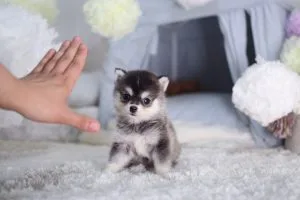
Terms such as “Teacup Pomsky” are also commonly used to describe especially small Pomskies, but they aren’t a separate recognized breed or standardized size category.
Prospective owners should therefore be cautious of breeders promising an exact adult size.
They Have a Striking Appearance
Pomskies are known for their fluffy coats, expressive faces, pointed ears, and sometimes Husky-like markings.
Eye color can also vary, with some dogs having blue, brown, amber, or differently colored eyes.
Appearance shouldn’t be the primary reason to choose a dog, but there’s no denying that the Pomsky’s distinctive looks contribute heavily to its popularity.
Pomskies Can Adapt to Apartment Living
A Pomsky doesn’t necessarily need a large house or acreage.
Some can live successfully in apartments or smaller homes provided their exercise, training, enrichment, and toileting needs are consistently met.
Noise is another consideration. A particularly vocal Pomsky may not be ideal for buildings with strict noise rules or sensitive neighbors.
They Suit Active Owners
Pomskies can make enjoyable companions for people who like walking, exploring, playing outdoors, or participating in dog-friendly activities.
Their exercise requirements vary, but most need more than occasional trips into the backyard.
Regular activity can also help reduce boredom-related behaviors.
Pomskies Can Be Good Family Dogs
A well-socialized Pomsky can make a good family companion.
Children should still be taught how to interact respectfully with dogs, and interactions between dogs and young children should be supervised.
Temperament matters more than appearance or breed label when deciding whether an individual dog is suitable for a household with children.
They Can Live With Other Dogs
Many Pomskies can live happily with other dogs when introductions and socialization are handled appropriately.
Living with another compatible dog may also provide opportunities for play and companionship.
Cats and smaller animals require more consideration because some Pomskies may inherit chasing or prey-related behaviors.
Pomskies Can Have a Long Lifespan
Pomskies may live well into their teens, although lifespan varies with genetics, size, healthcare, nutrition, lifestyle, and other factors.
That potential longevity can mean many years with your companion—but it also makes getting a Pomsky a significant long-term commitment.
Like any dog, however, Pomskies can be affected by inherited and acquired health conditions. Our guide to Pomsky health problems covers potential conditions, health screening, and signs owners should watch for.
Puppy Starter Pack for Small Dogs such as Pomskies

10 Cons of Owning a Pomsky
Pomskies Can Shed a Lot
If you want a dog that leaves very little hair around the house, a Pomsky probably isn’t your best option.
Both parent breeds have substantial coats, and many Pomskies inherit a dense double coat. Seasonal shedding can be particularly noticeable.
Expect hair on clothing, furniture, and floors.
Their Coat Requires Regular Grooming
That beautiful fluffy coat requires maintenance.
Regular brushing helps remove loose hair and prevent tangles or matting. Grooming requirements vary according to coat length and density, but owners should expect brushing to become part of their normal routine.
Pomskies are therefore not truly low-maintenance dogs.
They Can Be Stubborn
Intelligence doesn’t automatically mean easy training.
A Pomsky may understand exactly what you’re asking while deciding something else is more interesting. Siberian Husky independence and Pomeranian confidence can make some individuals challenging for inexperienced owners.
Positive reinforcement, patience, consistency, and short engaging training sessions generally work better than harsh corrections.
They Need Daily Exercise
Don’t assume that a smaller Pomsky is a low-energy lap dog.
Many require daily walks combined with play and mental activity. Younger and more energetic individuals may need considerably more activity than owners initially expect.
Without appropriate outlets, excess energy can contribute to destructive or disruptive behavior.
Some Pomskies Are Very Vocal
Pomskies can inherit vocal tendencies from either parent.
That may include barking, whining, “talking,” or Husky-style howling.
Training can help manage excessive vocalization, but prospective owners should accept that a completely quiet Pomsky isn’t guaranteed.
They Need Plenty of Mental Stimulation
Physical exercise isn’t enough for every Pomsky.
Training games, food puzzles, scent activities, interactive toys, and opportunities to explore can help keep an intelligent dog occupied.
A bored Pomsky may chew, dig, bark, escape, or find other ways to entertain itself.
Adult Traits Can Be Unpredictable
This is one of the most overlooked Pomsky disadvantages.
Pomskies can differ considerably in:
- adult size
- coat type
- shedding
- energy level
- appearance
- temperament
- trainability
Even puppies from the same litter aren’t necessarily identical in these traits.
Responsible Pomsky breeders can make informed predictions based on their dogs and previous litters, but genetics don’t allow every characteristic to be guaranteed.
If adult size is an important consideration, see our guide to full-grown Pomsky size, including typical height, weight, growth, and factors that influence how large a Pomsky becomes.
Some Pomskies Struggle With Being Alone
Because Pomskies can become strongly attached to their families, some may find long periods alone difficult.
Owners should gradually teach puppies that being alone for appropriate periods is normal rather than suddenly leaving them for an entire working day.
Dogs showing persistent distress when alone may require help from a veterinarian or qualified behavior professional.
Chasing and Escape Behaviors Can Be a Problem
The Siberian Husky’s history means some Pomskies may inherit an inclination to run, explore, chase, or test boundaries.
A secure yard, reliable leash handling, recall training, and supervision are important.
Owners shouldn’t assume a Pomsky will automatically be reliable off leash.
Pomskies Can Be Expensive
Buying a Pomsky from a responsible breeder can be expensive, but the purchase price is only part of the cost.
Owners also need to budget for veterinary care, vaccinations, parasite prevention, quality food, grooming, training, equipment, insurance where appropriate, and unexpected medical expenses.
Extremely high prices based primarily on unusual colors, eye color, or labels such as “micro” or “teacup” deserve additional scrutiny.
Are Pomskies Good Family Dogs?
Yes, Pomskies can be good family dogs when their temperament and needs match the household.
They tend to suit families that can provide daily interaction, exercise, training, and grooming. Families with young children should supervise interactions and teach children appropriate dog handling.
A Pomsky shouldn’t be chosen solely because children like its miniature Husky appearance.
Are Pomskies Good for First-Time Owners?
A Pomsky can be suitable for a committed first-time dog owner, but it isn’t necessarily the easiest first dog.
First-time owners need to be comfortable managing shedding, exercise, training, socialization, grooming, and potentially stubborn or vocal behavior.
Access to puppy classes or a qualified positive-reinforcement trainer can make the transition considerably easier.
Who Should Not Get a Pomsky?
Think carefully before choosing a Pomsky if you want a very quiet, low-energy, low-shedding, or highly predictable dog.
They may also be challenging for people who are away from home for very long periods and cannot arrange appropriate exercise, companionship, or care.
Frequently Asked Questions
What is the biggest downside of a Pomsky?
For many owners, shedding and high maintenance requirements are the biggest disadvantages. Pomskies may also require substantial exercise, grooming, training, and mental stimulation.
Do Pomskies shed a lot?
Many do. Pomskies commonly inherit dense coats from their Pomeranian and Siberian Husky ancestry and may shed particularly heavily during seasonal coat changes.
Are Pomskies hard to train?
Pomskies are intelligent but can also be independent or stubborn. Consistent positive-reinforcement training started early usually produces the best results.
Do Pomskies bark a lot?
Some Pomskies are quite vocal and may bark, whine, howl, or “talk.” Individual behavior varies considerably.
Can Pomskies live in apartments?
Yes. A Pomsky can live in an apartment if its exercise, enrichment, training, and toileting needs are met. Vocal behavior should also be considered.
Final Verdict: Is a Pomsky Worth It?
For the right owner, a Pomsky can be a loving, intelligent, entertaining, and highly engaging companion.
The key is knowing what you’re getting beyond the miniature-Husky appearance.
If you’re comfortable with shedding, regular grooming, daily activity, ongoing training, occasional stubbornness, and some unpredictability in adult traits, the advantages of Pomsky ownership may easily outweigh the disadvantages.
If you primarily want a quiet, low-energy, low-maintenance dog, however, another breed or mix may be a better fit.
Ultimately, the best Pomsky owner chooses the dog for its needs and temperament—not simply its appearance.
Image: Pomsky Owners Association