Few dog breeds combine intelligence, affection, and a unique history quite like the Lagotto Romagnolo. Originally developed in the wetlands of Italy, this curly-coated breed has evolved from a skilled water retriever into the world’s most famous truffle-hunting dog. Today, the Lagotto Romagnolo is equally valued as a loyal family companion, an eager sporting partner, and a highly trainable working dog.
Their growing popularity isn’t just because of their teddy bear appearance. Many families are drawn to the breed’s low-shedding coat, sharp mind, and friendly personality. Whether you’re looking for an active hiking companion, a devoted family pet, or a dog that enjoys learning new skills, the Lagotto Romagnolo has plenty to offer.
That said, this isn’t a breed that thrives on a sedentary lifestyle. They need regular exercise, mental challenges, and consistent grooming to stay happy and healthy. If you’re prepared to invest time in training and care, you’ll likely be rewarded with an affectionate companion that becomes an important part of your family for many years.
Table of Contents
Lagotto Romagnolo at a Glance
Origin: Italy
Breed Group: Sporting / Foundation Stock (varies by kennel club)
Height: 16–19 inches (41–48 cm)
Weight: 24–35 pounds (11–16 kg)
Lifespan: 15–17 years
Coat Type: Dense, curly, woolly
Coat Colors: Off-white, white with brown, orange, brown, brown roan, orange roan
Temperament: Intelligent, affectionate, alert, energetic
Energy: Level High
Trainability: Excellent
Shedding: Very low
Grooming: Needs Moderate to high
Good with Children: Yes
Good with Other Pets: Usually yes, when properly socialized
History and Origin of the Lagotto Romagnolo
The Lagotto Romagnolo originated in the marshlands of northern Italy, where it was bred as a water retriever. As wetlands disappeared over time, the breed found a new purpose as a highly skilled truffle-hunting dog thanks to its exceptional sense of smell.
The word Lagotto comes from the Italian dialect and roughly translates to “lake dog.” The breed’s roots stretch back several centuries, making it one of Italy’s oldest native dog breeds.
In its earliest days, the Lagotto accompanied hunters through the marshes of the Romagna region, retrieving ducks and other waterfowl from cold lakes and swamps. Their dense, curly coat served as natural insulation, helping them work comfortably in chilly water while protecting their skin from rough vegetation.
As land reclamation projects reduced Italy’s wetlands during the nineteenth century, the breed’s original job gradually disappeared. Rather than fading into history, the Lagotto adapted remarkably well. Hunters soon realized that its remarkable nose made it exceptionally talented at locating underground truffles without damaging these valuable fungi.
Today, the breed remains closely associated with truffle hunting throughout Italy and has earned recognition around the world. Organizations such as the American Kennel Club (AKC) and the Fédération Cynologique Internationale (FCI) recognize the breed for its distinctive appearance, intelligence, and working ability.
Although many Lagotti now spend their days as beloved family pets, they still retain the instincts that made them successful working dogs. Their love of scent games, problem-solving, and outdoor adventures continues to shine through in everyday life.
Key Takeaways
- One of Italy’s oldest native dog breeds.
- Originally bred to retrieve waterfowl.
- Later became the world’s premier truffle-hunting dog.
- Known for an extraordinary sense of smell.
- Still possesses strong working instincts today.
Appearance
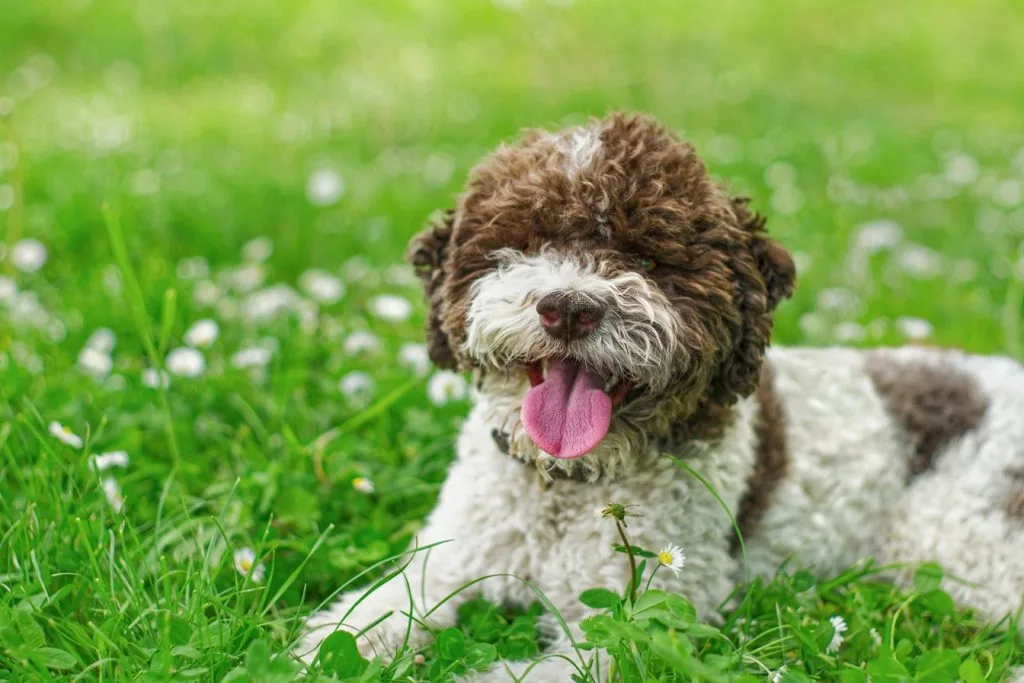
The Lagotto Romagnolo is a medium-sized, athletic dog with a dense, curly coat, expressive eyes, and a sturdy build designed for endurance. Its distinctive woolly appearance often draws comparisons to a teddy bear, but beneath that charming exterior is a hardworking athlete.
The breed is compact without appearing heavy. Males generally stand between 17 and 19 inches at the shoulder, while females are slightly smaller. Most adults weigh between 24 and 35 pounds, though a healthy weight depends on age, sex, and activity level.
Perhaps the breed’s most recognizable feature is its thick, tightly curled coat. Unlike many double-coated breeds, the Lagotto’s hair grows continuously and sheds very little. Regular trimming helps maintain the coat’s characteristic rustic appearance while preventing painful mats.
Coat colors vary widely and may include:
- Solid white
- Off-white
- Brown
- Brown roan
- Orange roan
- White with brown patches
- White with orange markings
The eyes are large, round, and expressive, ranging from shades of hazel to dark brown. Combined with their bushy eyebrows and abundant facial furnishings, they often appear curious and attentive.
Another defining feature is the breed’s broad nose, which supports its extraordinary scenting ability. This powerful nose allows the Lagotto to detect truffles buried several inches beneath the soil, making it one of the finest scent-working breeds in the world.
Although many people mistake the Lagotto for a small Poodle, the two breeds differ in both structure and purpose. The Lagotto has a more rugged frame, a naturally rustic coat, and a long history as a working dog rather than a companion or show breed.
Quick Facts
Height: 16–19 inches
Weight: 24–35 pounds
Body Type: Compact and muscular
Coat: Dense, curly, woolly
Eyes: Large and expressive
Shedding: Very low
Distinctive Feature: Exceptional nose developed for scent work
Expert Tip: Avoid brushing the coat until it becomes fluffy. Unlike many curly-coated breeds, the Lagotto’s natural curls are part of its breed standard. Gentle combing to remove tangles, followed by regular trimming every few months, helps maintain both appearance and coat health without disrupting its unique texture.
Temperament and Personality
The Lagotto Romagnolo is an intelligent, affectionate, and energetic dog that forms strong bonds with its family. It is naturally curious, eager to learn, and happiest when it has both physical activity and mental challenges. While friendly with familiar people, many Lagotti are a little reserved around strangers, making early socialization especially important.
At a Glance
Best for: Active families and individuals
Trainability: Excellent
Affection Level: High
Good with Children: Yes
Good with Other Dogs: Usually
Protective: Moderately alert
Barking: Moderate
Living with a Lagotto often feels like having a clever shadow. They enjoy being involved in whatever their family is doing, whether that’s hiking, gardening, playing in the backyard, or simply relaxing at home. They aren’t typically clingy, but they do prefer companionship over long periods alone.
One of the breed’s standout qualities is its intelligence. Originally bred to solve problems while searching for truffles, Lagotti enjoy tasks that challenge both their nose and their brain. Many owners quickly discover that these dogs learn routines surprisingly fast—both the ones you intentionally teach and the ones you don’t!
Because they’re observant and sensitive, harsh corrections rarely work well. Positive reinforcement, praise, and rewards produce much better results and strengthen the bond between dog and owner.
Family Compatibility
The Lagotto Romagnolo generally thrives in family homes where people have time to interact with them every day. They usually enjoy respectful children and often become enthusiastic playmates. As with any breed, young children should always be supervised during interactions.
Around Strangers
Most Lagotti aren’t overly outgoing with unfamiliar people. Instead, they often watch quietly before deciding whether someone is trustworthy. This natural caution should never develop into fear or aggression when puppies receive proper socialization.
Barking Tendencies
They aren’t considered excessive barkers, but they are naturally alert. Expect your Lagotto to let you know when visitors arrive or when something unusual catches their attention.
Separation Anxiety
Because they develop close relationships with their families, some Lagotti struggle if left alone for long periods. Puzzle feeders, scent games, and gradually increasing alone time during puppyhood can help build confidence.
Expert Tip: A mentally tired Lagotto is usually a well-behaved Lagotto. Ten minutes of scent work can be just as satisfying as a long walk.
Exercise Needs
The Lagotto Romagnolo needs at least 60–90 minutes of daily exercise, along with activities that challenge its remarkable sense of smell. Physical exercise alone isn’t enough—mental stimulation is just as important.
At a Glance
Daily Exercise: 60–90 minutes
Mental Stimulation: Essential
Swimming: Excellent activity
Apartment Friendly: Yes, if exercised properly
Despite their moderate size, these dogs have plenty of energy. They’re happiest when they have a job to do, even if that job is simply searching for hidden treats around the house.
Great activities include:
- Daily walks
- Hiking
- Swimming
- Fetch
- Nose work
- Scent trails
- Puzzle toys
- Agility
- Obedience training
- Hide-and-seek games
Sample Daily Routine
- Morning: 30–40 minute walk with sniffing opportunities
- Afternoon: Puzzle toy or scent game (15–20 minutes)
- Evening: Play session or another walk (30–40 minutes)
One mistake some owners make is assuming that a long walk alone is enough. For a breed developed to search for hidden scents, opportunities to sniff, solve problems, and explore are just as rewarding.
Training
The Lagotto Romagnolo is one of the easiest breeds to train thanks to its intelligence and eagerness to work with people. Consistency, patience, and positive reinforcement produce excellent results.
At a Glance
Difficulty: Easy to moderate
Best Method: Positive reinforcement
Food Motivation: High
Learning Speed: Fast
Training should begin as soon as your puppy arrives home. Short, fun sessions are far more effective than long lessons.
Puppy Training Priorities
- House training
- Name recognition
- Socialization
- Crate training
- Recall
- Loose-leash walking
- Basic obedience
Because the breed enjoys solving problems, introducing scent games during puppyhood can make training even more enjoyable.
Common Training Mistakes
- Repeating commands too often
- Using punishment instead of rewards
- Skipping socialization
- Not providing enough mental stimulation
- Allowing boredom to develop
A bored Lagotto may invent its own entertainment, which can include digging, chewing, or excessive barking.
Grooming
The Lagotto Romagnolo requires regular grooming despite being a low-shedding breed. Its curly coat can mat quickly if neglected, so routine maintenance is essential.
At a Glance
Brushing: Weekly
Professional Grooming: Every 8–12 weeks
Bathing: Every 4–8 weeks
Ear Cleaning: Weekly
Nail Trimming: Monthly
Unlike many curly-coated breeds, the goal isn’t to create a fluffy appearance. The breed standard favors a natural, rustic coat with defined curls.
Grooming Checklist
- Check for tangles every week.
- Trim the coat every two to three months.
- Clean ears after swimming.
- Brush teeth several times a week.
- Trim nails before they become overgrown.
- Inspect paw pads after outdoor adventures.
- Seasonal Grooming Tips
During wetter months, carefully dry the coat after walks to reduce matting and skin irritation. In warmer weather, avoid shaving the coat too short, as it helps protect the skin from sun exposure.
Do Lagotto Romagnolos Shed?
Yes—but very little. The Lagotto Romagnolo is considered a low-shedding breed rather than a completely non-shedding one.
Loose hairs usually become trapped within the curls instead of falling onto furniture or clothing. This is one reason many allergy sufferers are interested in the breed.
However, low shedding doesn’t mean low maintenance. Dead hair still needs to be removed through regular grooming to prevent mats from forming close to the skin.
It’s also worth remembering that no dog is truly 100% hypoallergenic. People react to proteins found in dander, saliva, and urine—not just loose fur. While many individuals with mild allergies do well with a Lagotto, spending time with the breed before bringing one home is always a good idea.
Feeding
A balanced, high-quality diet supports healthy growth, muscle development, coat condition, and long-term wellness. Nutritional needs change throughout the dog’s life, so feeding should be adjusted for age, weight, and activity level.
Feeding Guide
Puppy: 3–4 meals per day
Adult: 2 meals per day
Senior: 2 meals per day (adjust portions if needed)
Choose a diet that lists a quality animal protein as the primary ingredient. Healthy fats, digestible carbohydrates, vitamins, and minerals all contribute to overall health.
Healthy treats may include:
- Small pieces of cooked chicken
- Blueberries
- Carrots
- Green beans
Avoid foods that are toxic to dogs, including chocolate, grapes, raisins, onions, garlic, xylitol, and alcohol.
Fresh water should always be available, especially after exercise or scent-work sessions.
Expert Tip: Measure meals rather than free-feeding. Although active, Lagotti can gain weight if portion sizes aren’t monitored.
Health Problems
The Lagotto Romagnolo is generally a healthy breed with a long lifespan of 15–17 years. Like all purebred dogs, however, it can be prone to certain inherited conditions. Choosing a puppy from a responsible breeder who performs health testing greatly reduces the risk of many genetic disorders.
At a Glance
Average Lifespan: 15–17 years
Health Status: Generally healthy
Recommended Screening: Hip, elbow, eye, and genetic testing
Routine Vet Visits: Once or twice a year
Hip Dysplasia
Hip dysplasia occurs when the hip joint doesn’t develop properly, causing instability and, over time, arthritis.
Symptoms
- Difficulty standing
- Limping
- Reluctance to jump
- Reduced activity
Prevention
- Get from ethical Lagotto Romagnolo breeders
- Buy from health-tested parents.
- Maintain a healthy weight.
- Avoid excessive exercise during puppyhood.
Elbow Dysplasia
Although less common than hip dysplasia, elbow dysplasia can also affect the breed.
Symptoms
- Front-leg lameness
- Stiffness after rest
- Pain during exercise
Early diagnosis often improves long-term comfort.
Juvenile Epilepsy
Some Lagotto puppies experience benign juvenile epilepsy, a hereditary condition that usually appears during the first few months of life.
Fortunately, many affected puppies improve as they mature, but veterinary evaluation is essential whenever seizures occur.
Lagotto Storage Disease (LSD)
Lagotto Storage Disease is a rare inherited neurological disorder unique to the breed.
Responsible breeders use DNA testing to reduce the likelihood of producing affected puppies, making genetic screening an important question to ask before purchasing a puppy.
Eye Disorders
Occasionally seen conditions include:
- Cataracts
- Progressive retinal atrophy (PRA)
- Juvenile cataracts
Routine eye examinations help identify problems early.
Ear Infections
Those adorable curly ears don’t allow as much airflow as upright ears.
After swimming or bathing:
- Dry the ears thoroughly.
- Check for redness.
- Clean them with a veterinarian-approved ear cleaner when needed.
Obesity
Even active dogs can become overweight if they’re overfed.
Maintaining an ideal body condition helps reduce stress on joints and supports long-term health.
Dental Disease
Dental care is often overlooked.
Brushing your dog’s teeth several times a week and scheduling professional cleanings when recommended can prevent gum disease and tooth loss.
Veterinary Disclaimer: This guide is intended for educational purposes and should never replace advice from a licensed veterinarian. If your dog shows signs of illness or injury, seek professional veterinary care promptly.
Cost of Owning a Lagotto Romagnolo
Owning a Lagotto Romagnolo is a long-term financial commitment. While annual costs vary depending on your location and lifestyle, prospective owners should budget for routine care, grooming, veterinary visits, training, and supplies.
Food: $500–900
Grooming: $400–900
Veterinary Care: $300–700
Pet Insurance: $300–900
Toys & Enrichment: $150–300
Training Classes: $150–600
Miscellaneous Supplies: $200–400
These estimates vary by region and individual needs, but planning helps ensure you can provide consistent care throughout your dog’s life.
How to Choose a Reputable Lagotto Romagnolo Breeder
Finding the right breeder is just as important as choosing the right breed. Don’t forget to ask these questions to the breeder.
A responsible breeder should:
- Perform genetic health testing.
- Screen breeding dogs for hip and elbow health.
- Provide health records.
- Raise puppies in a clean, stimulating home environment.
- Begin early socialization.
- Answer questions openly.
- Offer ongoing support after adoption.
- Warning Signs
Avoid breeders who:
- Refuse to show health certificates.
- Won’t let you meet at least the mother.
- Sell puppies at unusually young ages.
- Focus only on color or appearance.
A well-bred puppy often costs more upfront but may save significant veterinary expenses in the future.
Living Requirements
The Lagotto Romagnolo adapts well to many living situations, provided its exercise and mental stimulation needs are met.
Apartments
Yes—but only if daily exercise is a priority.
Houses
Ideal, especially with a securely fenced yard.
Farms and Rural Homes
Excellent. They enjoy open spaces, scent work, and outdoor adventures.
Active Families
One of the best matches.
Seniors
Active seniors who enjoy walking and training can also find wonderful companions in this breed.
Children and Other Pets
Lagotti are generally affectionate and gentle with respectful children.
They usually get along well with:
- Other dogs
- Cats they are raised with
- Family pets introduced gradually
Small animals may trigger curiosity because of the breed’s working instincts, so introductions should always be supervised.
Teaching children how to interact respectfully with dogs is just as important as teaching the dog good manners.
Pros and Cons
Pros
- Intelligent
- Very affectionate
- Low shedding
- Excellent family companion
- Highly trainable
- Long lifespan
Cons
- Requires regular grooming
- Needs daily mental stimulation
- Doesn’t enjoy being left alone for long periods
- Can become vocal if bored
- Needs consistent exercise
- Puppy availability may be limited
Is a Lagotto Romagnolo Right for You?
A Lagotto Romagnolo may be an excellent choice if you:
✅ Enjoy outdoor activities
✅ Want an intelligent, trainable companion
✅ Can commit to regular grooming
✅ Have time for daily interaction
✅ Enjoy teaching new skills
You may want to consider another breed if you:
❌ Spend long hours away from home
❌ Prefer a low-maintenance dog
❌ Want a dog that requires very little exercise
Frequently Asked Questions
Are Lagotto Romagnolos good family dogs?
Yes. They are affectionate, loyal, and generally gentle with children. Their playful personality and eagerness to be involved in family activities make them wonderful companions for active households that can meet their exercise and grooming needs.
Do Lagotto Romagnolos bark a lot?
Not usually. They are naturally alert and may bark when visitors arrive or something unusual catches their attention, but excessive barking is uncommon when they receive enough exercise and mental stimulation.
Are they hypoallergenic?
No dog is completely hypoallergenic. However, the Lagotto Romagnolo’s low-shedding coat may produce fewer allergens in the home, making it a better option for some people with mild dog allergies.
Do they shed?
Yes, but very little. Loose hairs tend to stay trapped within the curls rather than falling around the house, although regular grooming is still necessary.
How much exercise do they need?
Most adult Lagotto Romagnolos need 60–90 minutes of physical activity every day, along with scent games, puzzle toys, or training sessions to keep their minds engaged.
Are they aggressive?
No. A well-socialized Lagotto is typically friendly, confident, and gentle. Fear or aggression is uncommon when puppies are properly raised and trained.
How much does a Lagotto Romagnolo cost?
Prices vary by country, breeder reputation, pedigree, and health testing. Well-bred puppies from responsible breeders generally cost more because of the extensive health screening and early care involved.
How long do they live?
The breed has an impressive lifespan of 15–17 years, making it one of the longer-lived medium-sized dog breeds.
Are they easy to train?
Yes. Their intelligence, eagerness to learn, and food motivation make them highly trainable using positive reinforcement techniques.
Can they be left alone?
They can tolerate short periods alone, but they thrive on companionship. Long hours without interaction may lead to boredom, anxiety, or unwanted behaviors.
Conclusion
The Lagotto Romagnolo is much more than its charming curly coat. Behind that teddy bear appearance is an intelligent working dog with centuries of history, an extraordinary nose, and a deep desire to be part of family life.
For owners who can provide regular exercise, mental enrichment, and consistent grooming, the Lagotto offers unwavering loyalty, impressive trainability, and years of companionship. Whether you’re interested in canine sports, hiking, scent work, or simply sharing everyday adventures with a devoted friend, this remarkable Italian breed has all the qualities needed to become an exceptional lifelong companion.